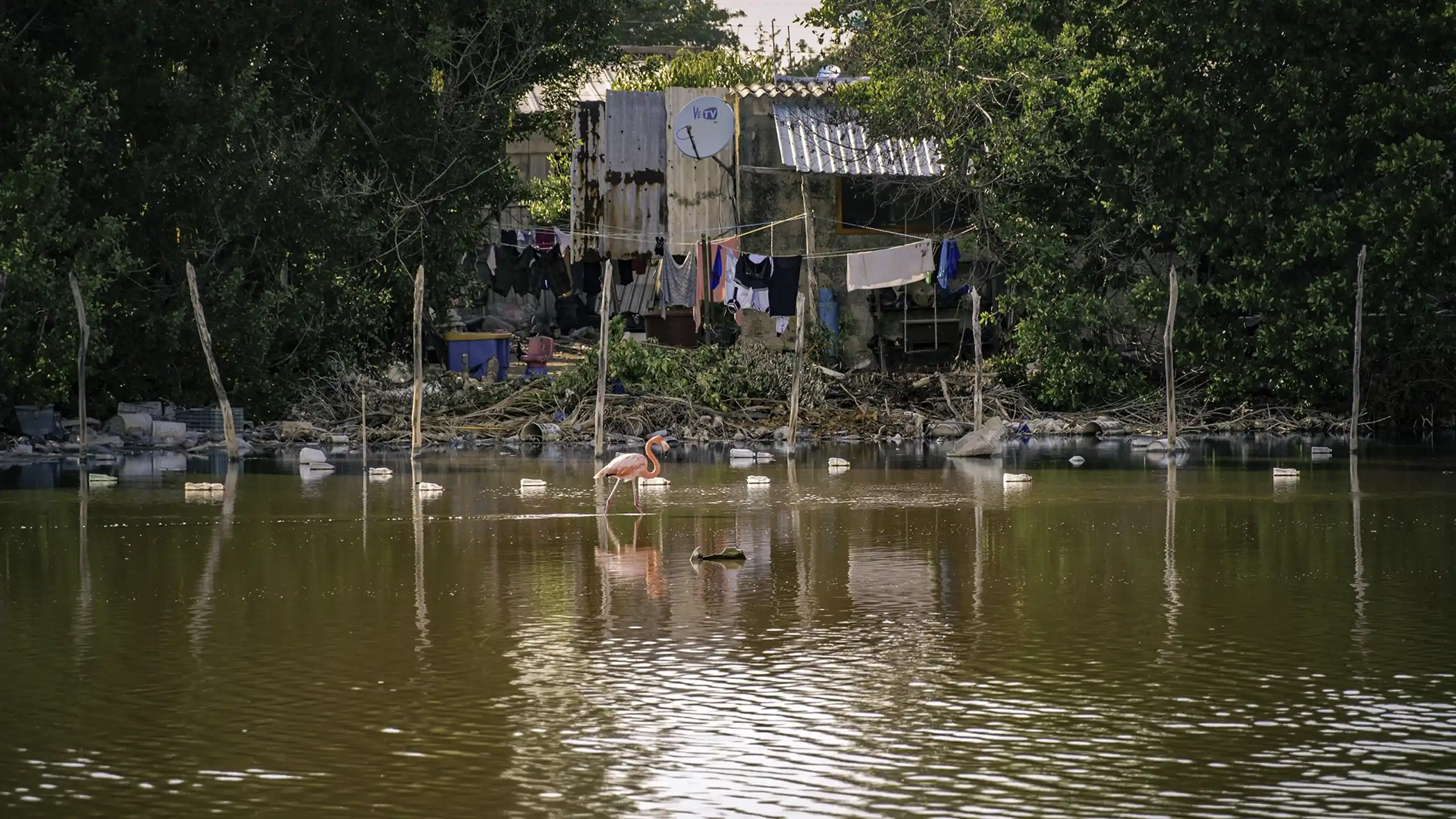
A flamingo feeds inside an inland lagoon near Sisal, Yucatán

Infrastructure Redesign

AI infrastructure growth is colliding with territorial resource systems.

The waste stream and the infrastructure demand already coexist geographically. ZERE builds the system that converts one into the other.

Life continues inside impacted systems. A flamingo feeds inside an inland lagoon near the port town of Sisal, Yucatán, Mexico.

01 / Contradiction

Life and waste are already sharing the same landscape.

The ultimate challenge facing advanced industry is not a scarcity of raw materials — it is a structural misallocation. Organic waste streams are treated as unmanaged hazards while AI infrastructure, local communities, and agricultural operations starve for energy and water. These systems are not separate. They occupy the same territory. The same geography that produces waste is the geography where the demand lives.

02 / System

The problem is not isolated. It is infrastructural.

Centralized power grids and municipal systems are hitting a physical wall under the exponential resource demands of AI infrastructure and advanced manufacturing. $64 billion in US data center projects were blocked or delayed in 12 months. The industry spent $226 million on federal lobbying. The projects keep getting blocked — not for lack of capital, but for lack of power and water and community acceptance. Project SYLVA deploys localized, distributed infrastructure that generates continuous baseload energy and clean water directly from agricultural waste streams — behind the meter, adjacent to the load, without new transmission lines or four-year grid connections.

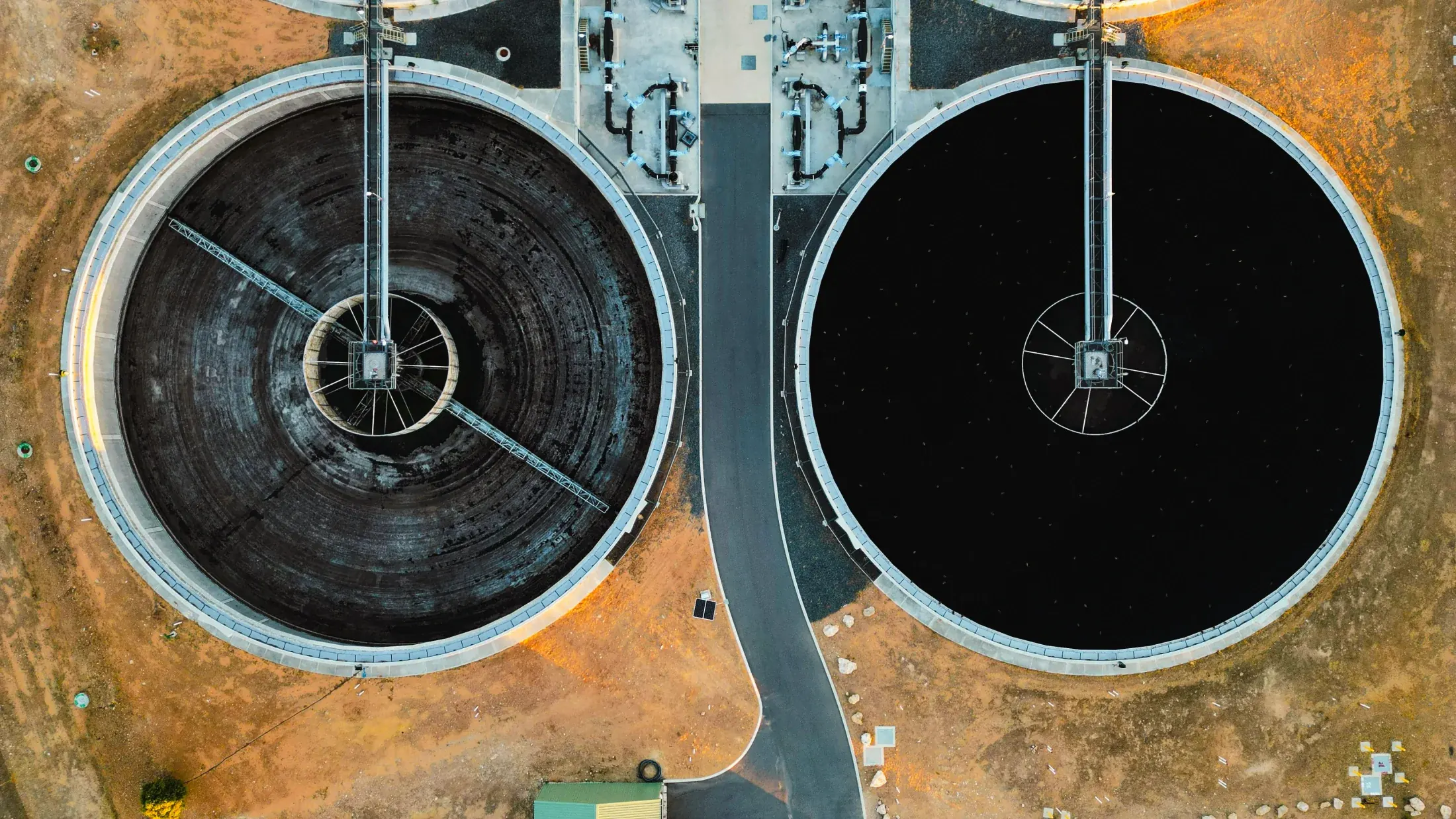
Large centralized wastewater treatment facility

Centralized treatment concentrates capacity into facilities that require land, capital, transport, and continuous operation.

03 / Reversal

Waste eliminated. Assets generated. Communities improved.

Waste is not nothing. It is value the system cannot use — yet. In the right system, it becomes energy. It becomes clean water. It becomes revenue that returns to the community that carried the burden of producing it. That is the reversal: not management, but transformation. Not reduction, but elimination.

Energy
Continuous 24/7 baseload power — produced on-site, delivered behind the meter, independent of the grid.
Water
Clean water exceeding discharge standards, produced from the waste stream without drawing from aquifers.
Return
Revenue that flows back to the community structurally — not as goodwill, but as a line in the operating agreement.

04 / Response

The system is ready.
The question is placement.

The ultimate challenge facing advanced industry is not a scarcity of raw materials — it is a structural misallocation. Organic waste streams are treated as unmanaged hazards while AI infrastructure, local communities, and agricultural operations starve for energy and water. These systems are not separate. They occupy the same territory. The same geography that produces waste is the geography where the demand lives.

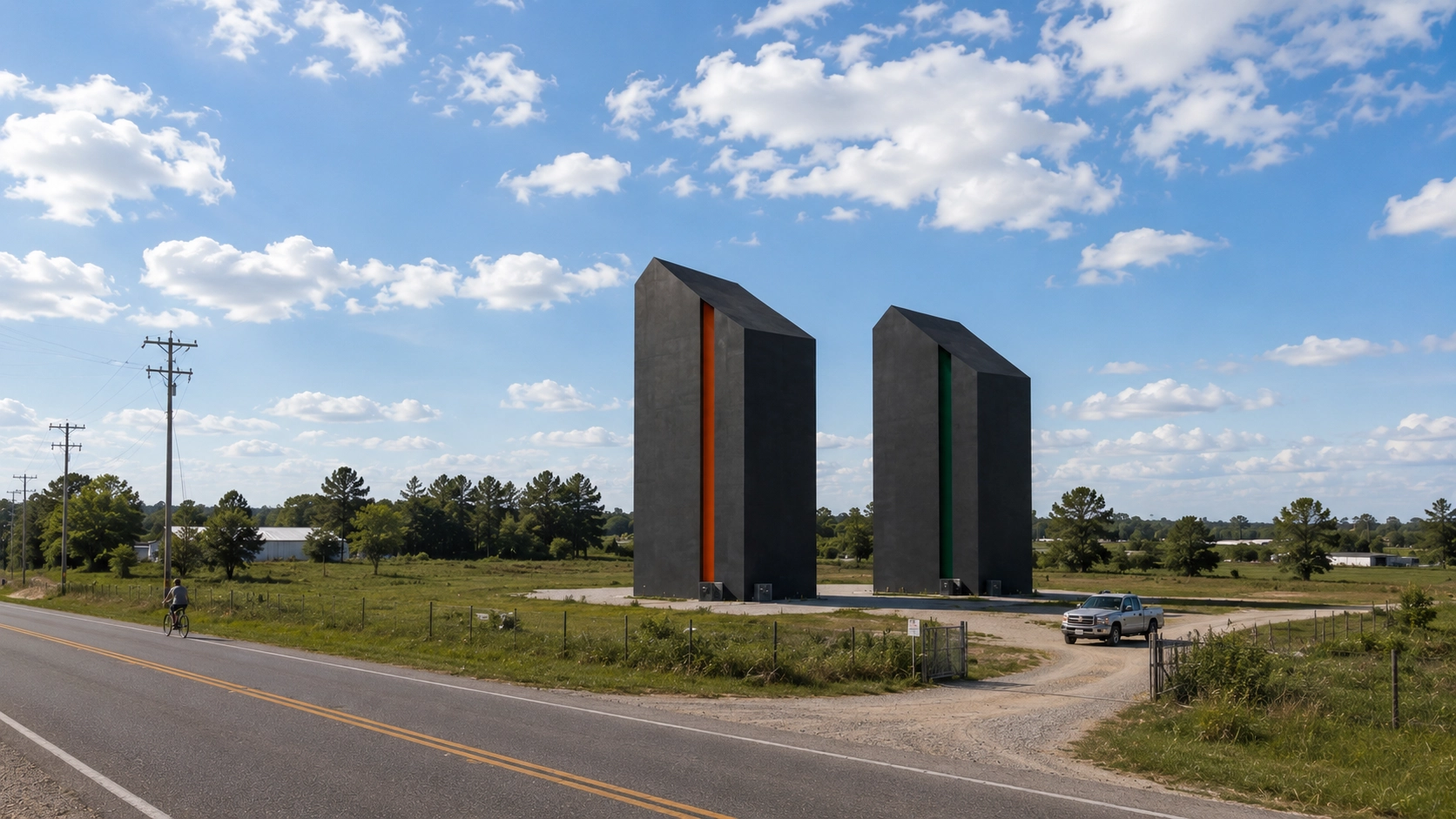
The EcoTower is developed by Proytec S.A. de C.V. — engineers with more than forty years each of operational experience at Petróleos Mexicanos (PEMEX), the $97 billion national energy company that is the largest enterprise in Latin America. It is modular. It is transportable. It is sized for the operating condition in front of it.

It converts organic waste into electricity, clean water, recovered nutrients, and stable biochar. The lagoon is permanently eliminated — not managed, not capped, not monitored. Gone.

The technology is critical, but it is not the only response to the problem. Rather, it is part of a system that has been designed to help improve the local conditions previously stressed by the system through direct, measurable, actions in the community where every unit operates.

We increase value for every participant, by contributing directly to local community organizations as part of our structural mandate to leave every place that we touch, better off than when we first arrive.

20%

of net profit is structurally mandated to the Nature-Based Solutions (NBS) Community Fund in every ZERE deployment.

05 / Greencycling

A system that keeps value moving instead of allowing it to accumulate as cost.

Greencycling is the operational logic: waste enters the system, treatment creates energy and clean water, value becomes revenue, revenue funds local community restoration, recovered water returns usefulness to the territory where the burden began.

The loop is logical before it is ecological. It is designed for continuity, improved outcomes, and direct impact, not for optics.

Greencycling loop: waste treatment, energy, revenue, restoration, and wastewater treatment

06 / The People

The right people. The right time.

We did not meet at a startup event. Some of us have known each other our entire lives — literally. The engineering partnership behind EcoTower and the legal and corporate architecture of Zere share a history that predates this company by generations. The rest of us arrived through those relationships, at the moment when the problem we had each been working toward — from different directions, in different countries — finally had a solution ready for it.

The engineers behind EcoTower spent careers inside Petróleos Mexicanos — PEMEX — one of the largest integrated energy and infrastructure enterprises in the world. The legal architecture comes from a career in corporate and public contract law, land rights, and community governance. The commercial and development leadership brings founder experience across technology platforms and direct operational engagement across industries, landscapes, and two continents.

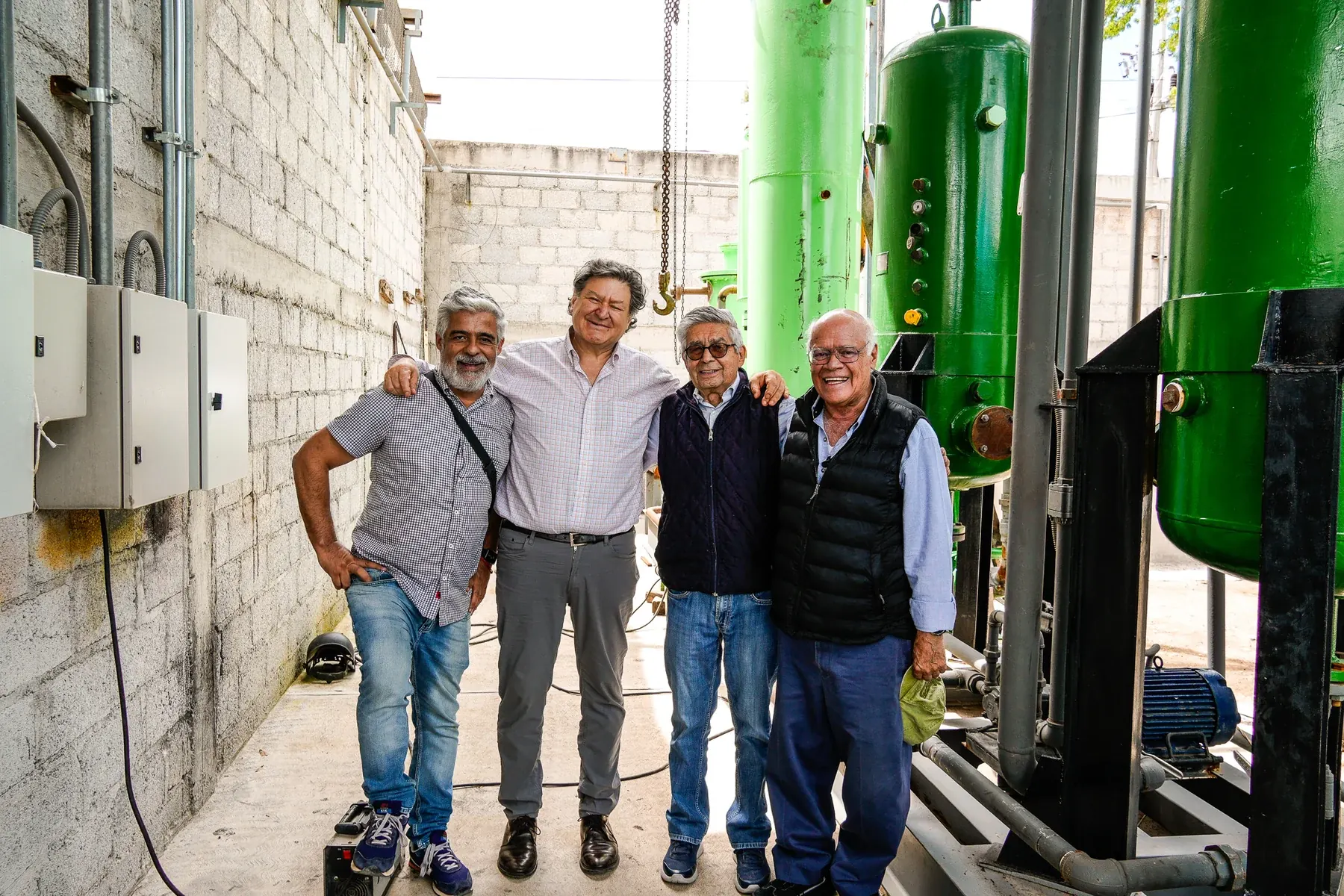
The ZERE and Proytec team at the Huehuetoca operating plant

The ZERE and Proytec project team stands at the Huehuetoca operating plant: Eduardo Celis Rojo, Alberto Osegueda Magaña, Gustavo Bonilla Pérez, and Sergio Félix Cruz Carranza.

The full team is in the About section. What matters here is simpler: the relationships were already there. The timing made everything else possible.

07 / Dual Output

Two outputs. Both infrastructure-grade. Both increasingly scarce.

The next generation of AI infrastructure cannot scale without both. A single EcoTower module delivers continuous baseload energy and ultra-pure cooling water directly from agricultural waste — behind the meter, at the point of demand, without waiting for a grid connection.

Energy and water — dual infrastructure output

A single EcoTower module delivers continuous baseload energy and ultra-pure cooling water from the same agricultural waste stream.

Waste is opportunity not used.

The same geography that produces it is the geography that needs what it becomes.

Versón en español próximamente · Spanish version coming soon.