
Circular Infrastructure
A system that increases value for every participant.
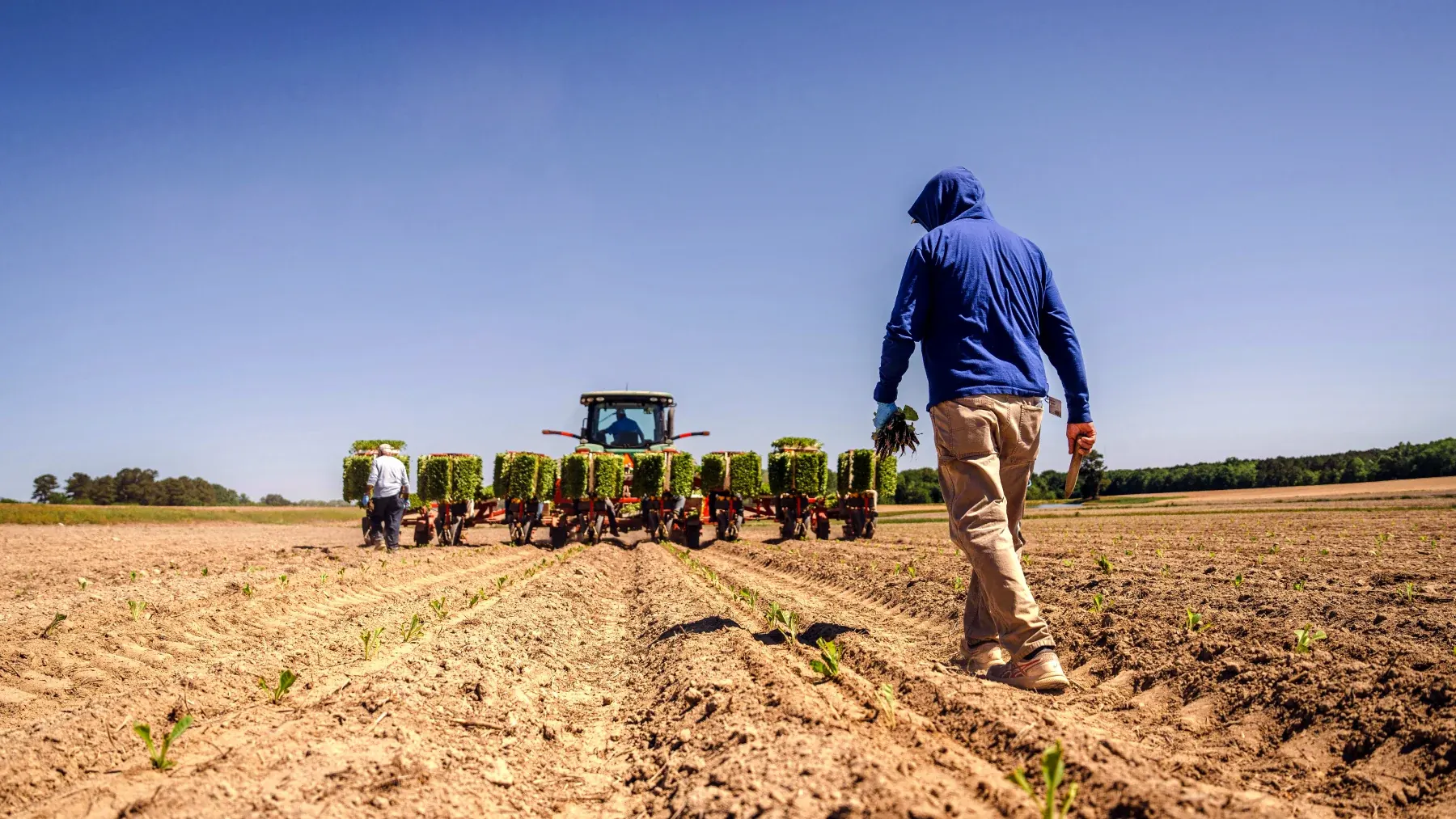
Re-synthesizing regional feedstocks to protect generational agricultural operations and secure local stability.
Circular Infrastructure
Re-synthesizing regional feedstocks to protect generational agricultural operations and secure local stability.
01 / Economics
02 / The Loop
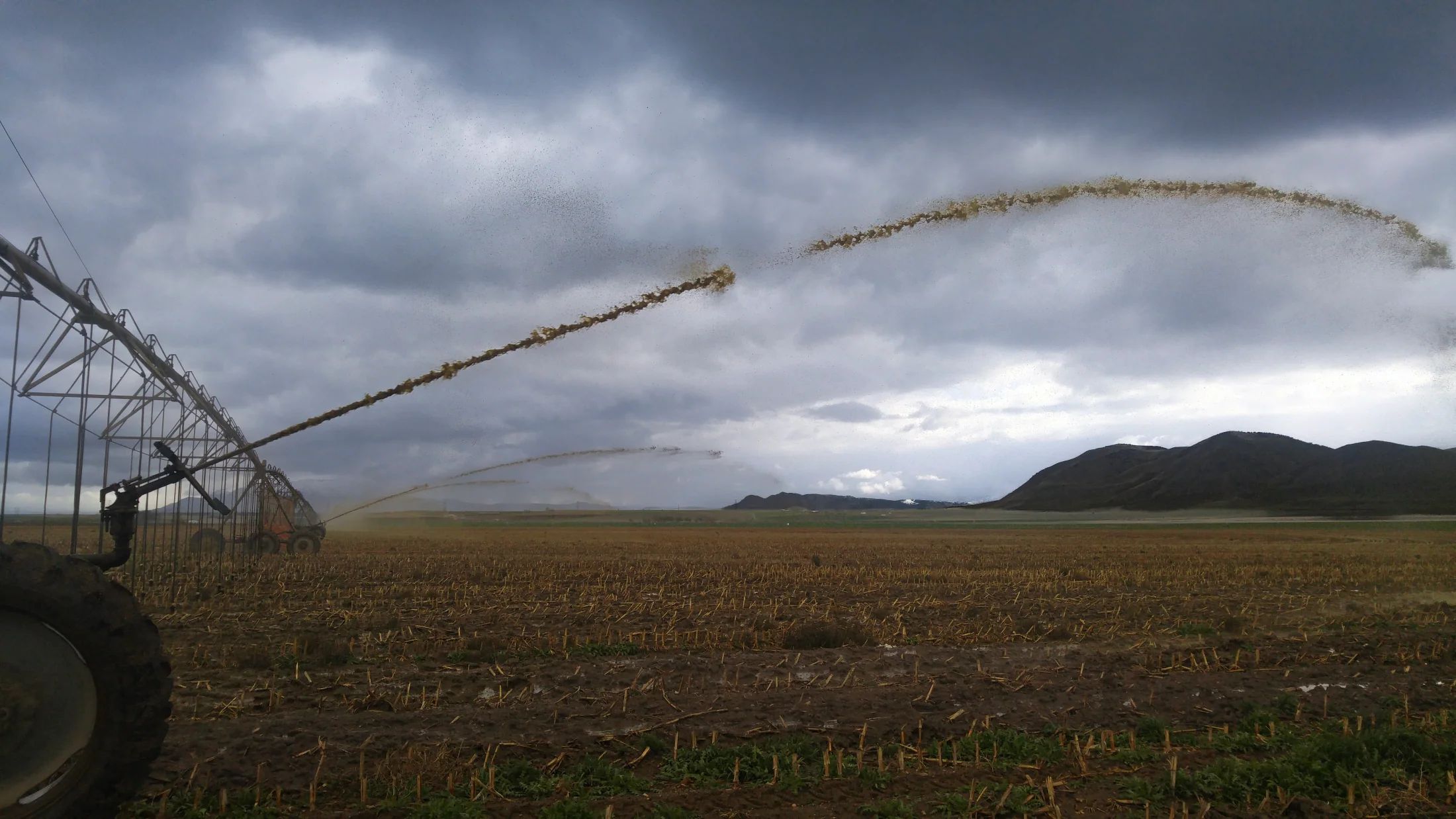
Our closed-loop engineering re-synthesizes regional agricultural effluent streams into continuous utility assets, protecting active multi-generational farms from tightening operational constraints while completely safeguarding the local watershed and improving the long-term livelihoods of surrounding families.
Greencycling keeps outputs connected to use instead of isolating them as afterthoughts. The loop shows treatment, energy generation, revenue, nature restoration, and water treatment as linked operating stages.
03 / Human Continuity
Greencycling is not complete when a material stream becomes energy or water. It becomes complete when the value produced by the system supports the place that carried the burden.
Local reinvestment, maintenance, restoration, and employment are not decorative outcomes. They are the conditions that keep the operating loop from breaking again.
04 / Biodiversity Return
Greencycling directs ongoing funding toward biodiversity restoration, ecological strengthening, and local nature-based recovery initiatives through community continuity mechanisms.
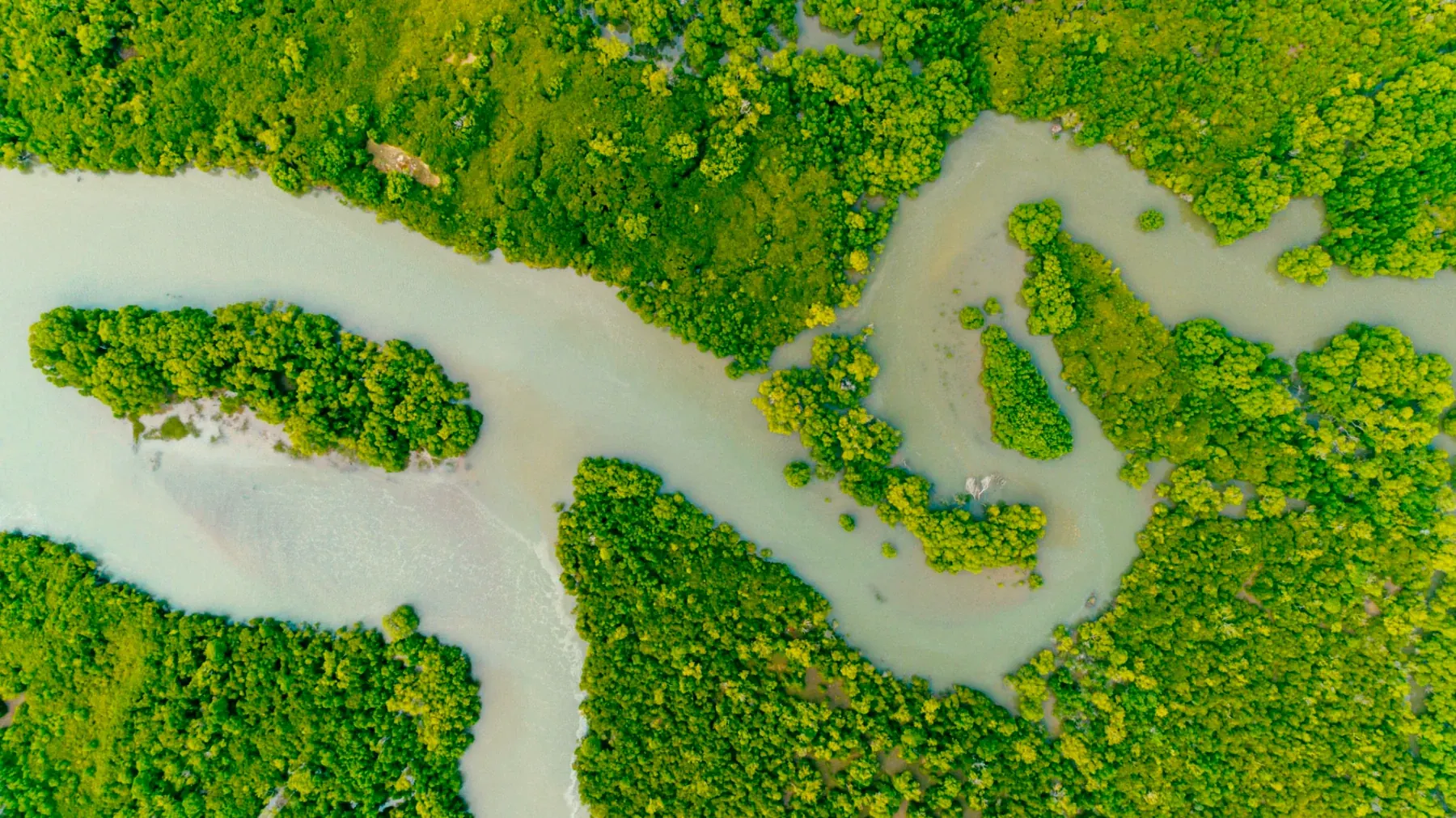
Wetlands, mangroves, soil, water corridors, and field systems are not background scenery. They are operating conditions. When a recovery system generates value, part of that value must support the land and water that made recovery necessary.
05 / Continuity
Historical recovery systems were practical before they were ideological. Cities reused wastewater for agriculture. Night soil moved from cesspools to fields because it had agricultural value. Early municipal systems recovered heat, gas, electricity, and water because concentration created pressure.
The modern separation between disposal and use is not permanent. It is an infrastructure choice. Greencycling changes that choice by keeping the system close enough to return value before it is lost through distance, delay, and handling.
Waste-to-energy and wastewater treatment are part of this continuity. The question is not whether recovery is possible. The question is whether infrastructure is sized and placed so recovered energy, water, nutrients, and value can remain useful locally.
06 / The NBS Fund
Not as charity. Not as a promise. As a structural mandate built into every ZERE deployment from day one. Community-managed. Community-directed. Funding ecosystem restoration and local employment where the system operates.
This is the return that Pablo Granados was working toward in the mangroves of Veracruz. It is the return that every farmer, every community activist, and every person who has watched a landscape degrade while carrying its burden deserves. It is not idealism. It is a line in the operating model.
of net profit is structurally mandated to the Nature-Based Solutions (NBS) Community Fund in every ZERE deployment.
07 / De-Risking & Implication
Twenty percent of net profit goes back into the place — into watershed restoration, local infrastructure, and the community associations doing the work their territories actually need. Not as charity. As a structural commitment built into the operating model. The community doesn't wait for goodwill. It gets a line item.
Once value remains in use, it no longer needs to be recovered later. Greencycling keeps value active — and the structural mandate keeps it local. The loop doesn't close in a boardroom. It closes in the watershed.
Continue to System