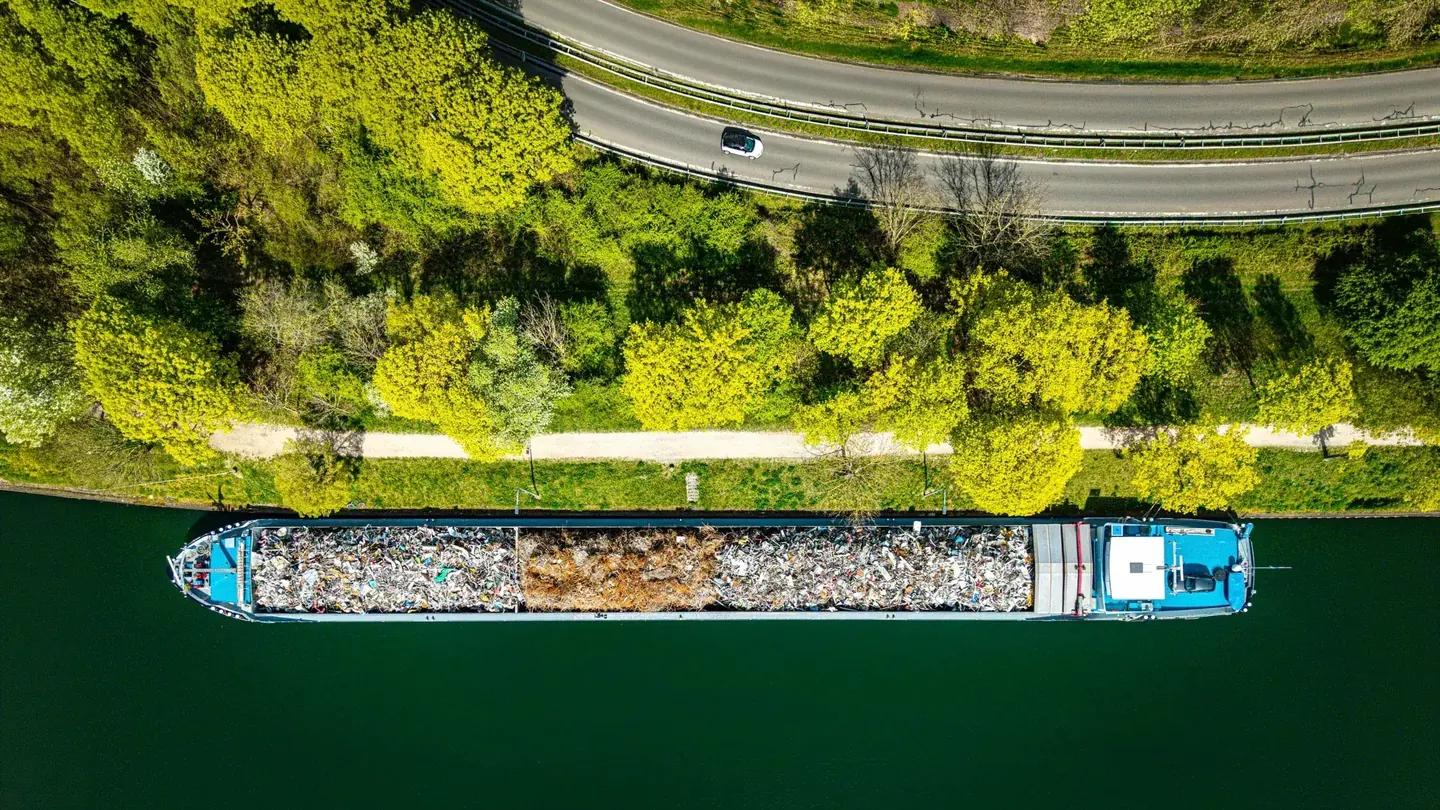
A waste transport barge moves material through a European river corridor, representing the distance and coordination required for centralized recovery.

INFRASTRUCTURE OPTIONS

The problem is not isolated. It is infrastructural.

Infrastructure problems rarely exist in isolation. Resources move. Costs accumulate. Every additional step increases complexity before recovery can begin. The best systems reduce unnecessary movement and act while solutions remain manageable.

Flow becomes infrastructural when useful streams must move before they can be treated or returned. In rural locations, distance and landscape often become obstacles to efficient energy systems. A rural electric installation connects a farm to the main grid.

01 / FLOW LOGIC

Every movement in a system has a cost.

Moving resources through a system is rarely free. Transportation requires infrastructure. Handling requires labor. Storage requires space. Every additional step consumes time, money, and effort before a useful outcome can be produced.

Time influences outcomes as well. Materials change. Conditions change. Priorities change. Systems continue operating whether action is taken or not. What can be solved today may become more complicated tomorrow.

The most effective systems reduce unnecessary movement, respond when action is possible, and solve problems before they grow larger than they need to be. Efficiency is immediate.

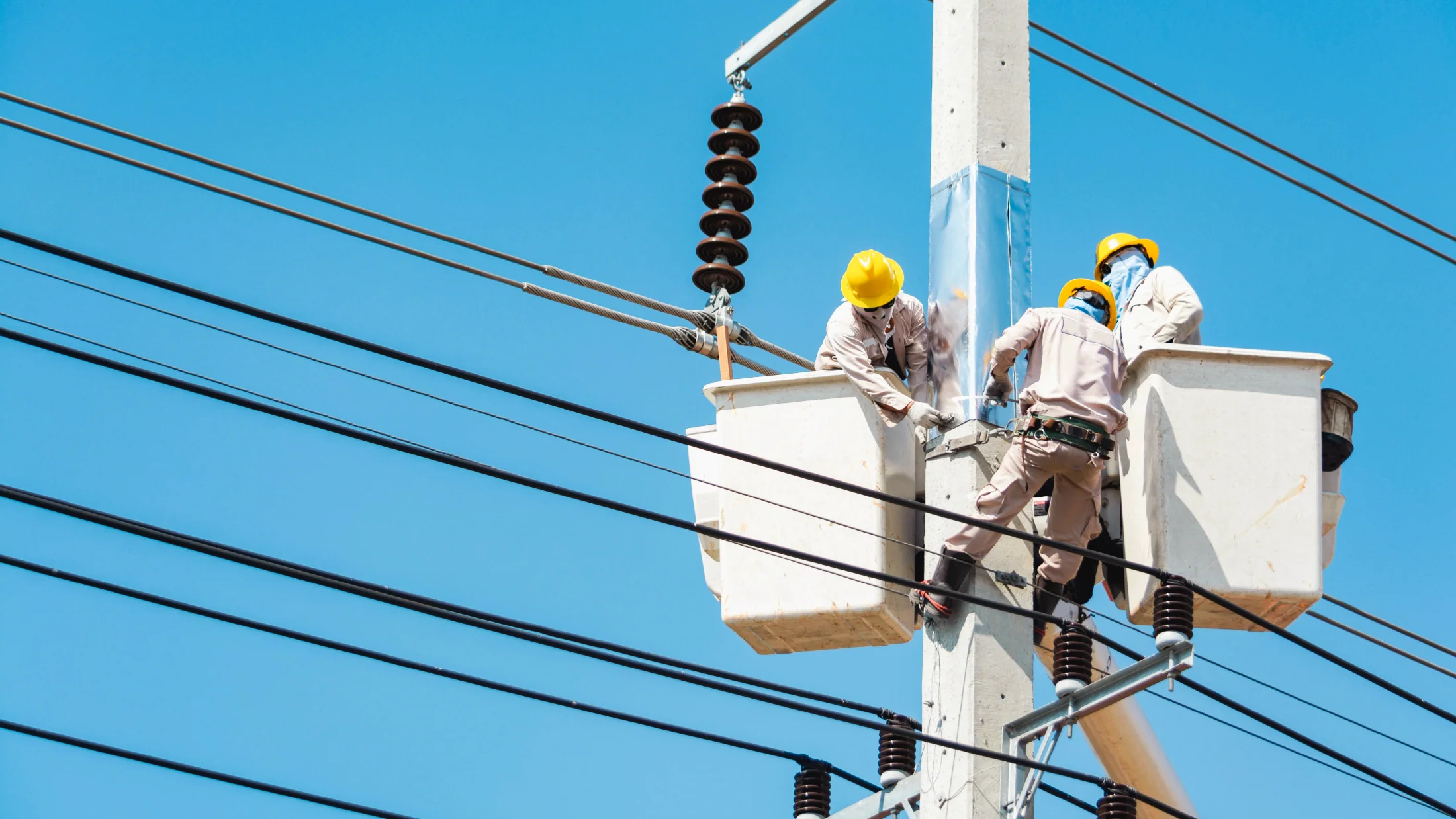
A rural electric installation connects a farm to the main grid — energy infrastructure bridging distance and landscape.

Flow becomes infrastructural when useful streams must move before they can be treated or returned. In rural locations, distance and landscape often become obstacles to efficient energy systems. A rural electric installation connects a farm to the main grid.

02 / CENTRALIZED HANDLING

Unnecessary movement is costly. Moving material is not a treatment strategy.

Many recovery systems depend on collecting materials from multiple locations before treatment can begin. This often requires significant infrastructure, time, coordination, labor, permits, fuel, and capital expenditures.

Movement and recovery are often necessary. But they are not the same thing. A resource does not become more useful because it traveled farther. A problem does not become smaller because it was moved somewhere else. Successful systems reduce costs, reduce obligations, and improve outcomes.

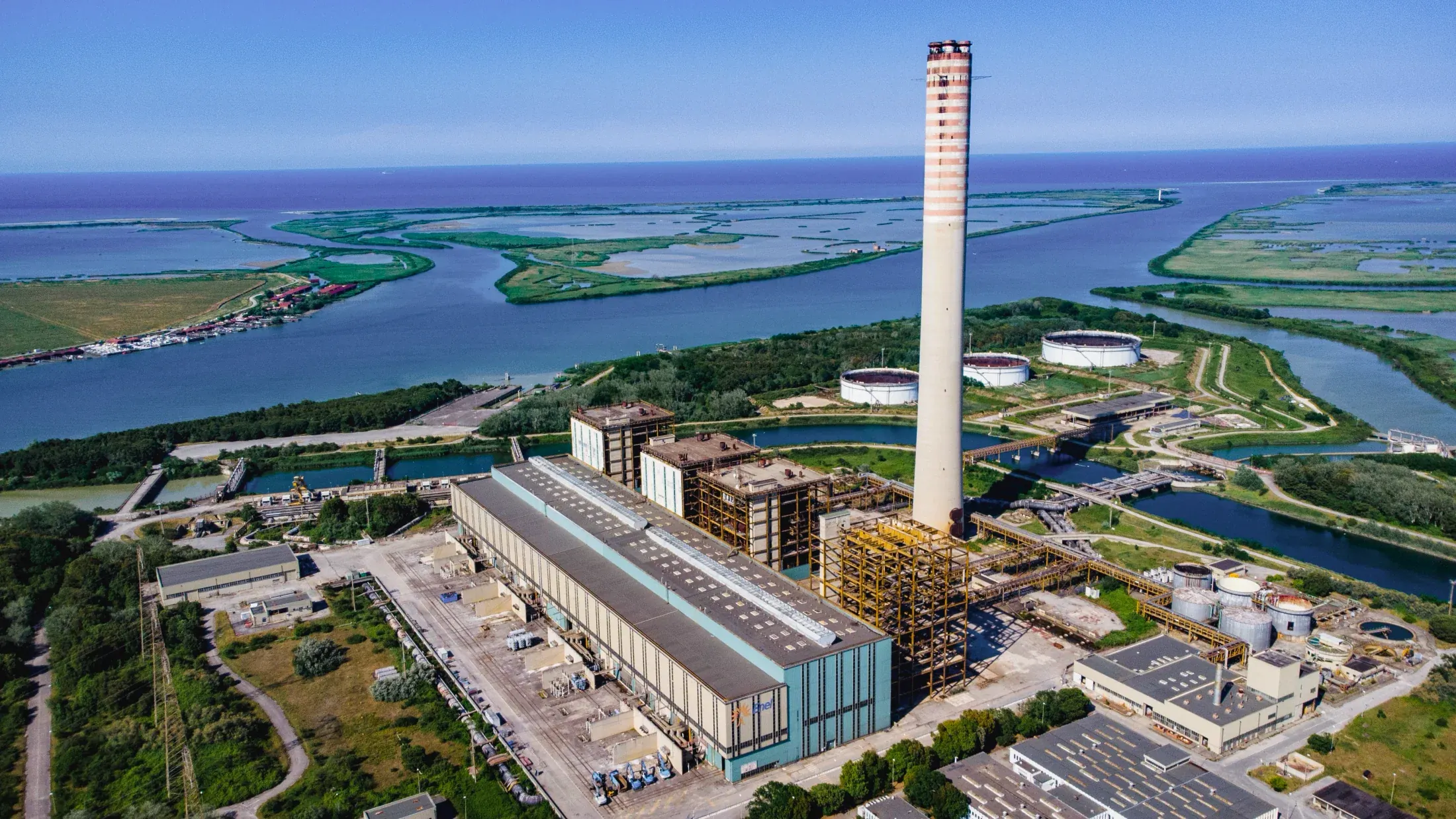
A large centralized treatment or recovery facility photographed from above, illustrating the scale of concentrated infrastructure.

Centralized recovery concentrates infrastructure, transport, land, and operational burden in one large site. The image shows a large treatment or recovery facility photographed from above; source metadata does not confirm the facility name or location.

03 / DISTRIBUTED CONTROL

Local systems work better.

Distance creates overhead. The farther a resource travels before treatment begins, the more infrastructure, labor, and maintenance costs accumulate. Moving things is expensive.

When recovery happens directly at the source, transportation drops and delays vanish. Costs stop compounding immediately, maximizing value.

Field workers maintain electrical infrastructure — distributed energy systems require proximity to the operating condition.

Distance has material consequences: systems require corridors, labor, equipment, and maintenance before useful energy reaches use. Field workers maintain electrical lines from elevated service buckets.

04 / PLACEMENT

Placement changes outcomes.

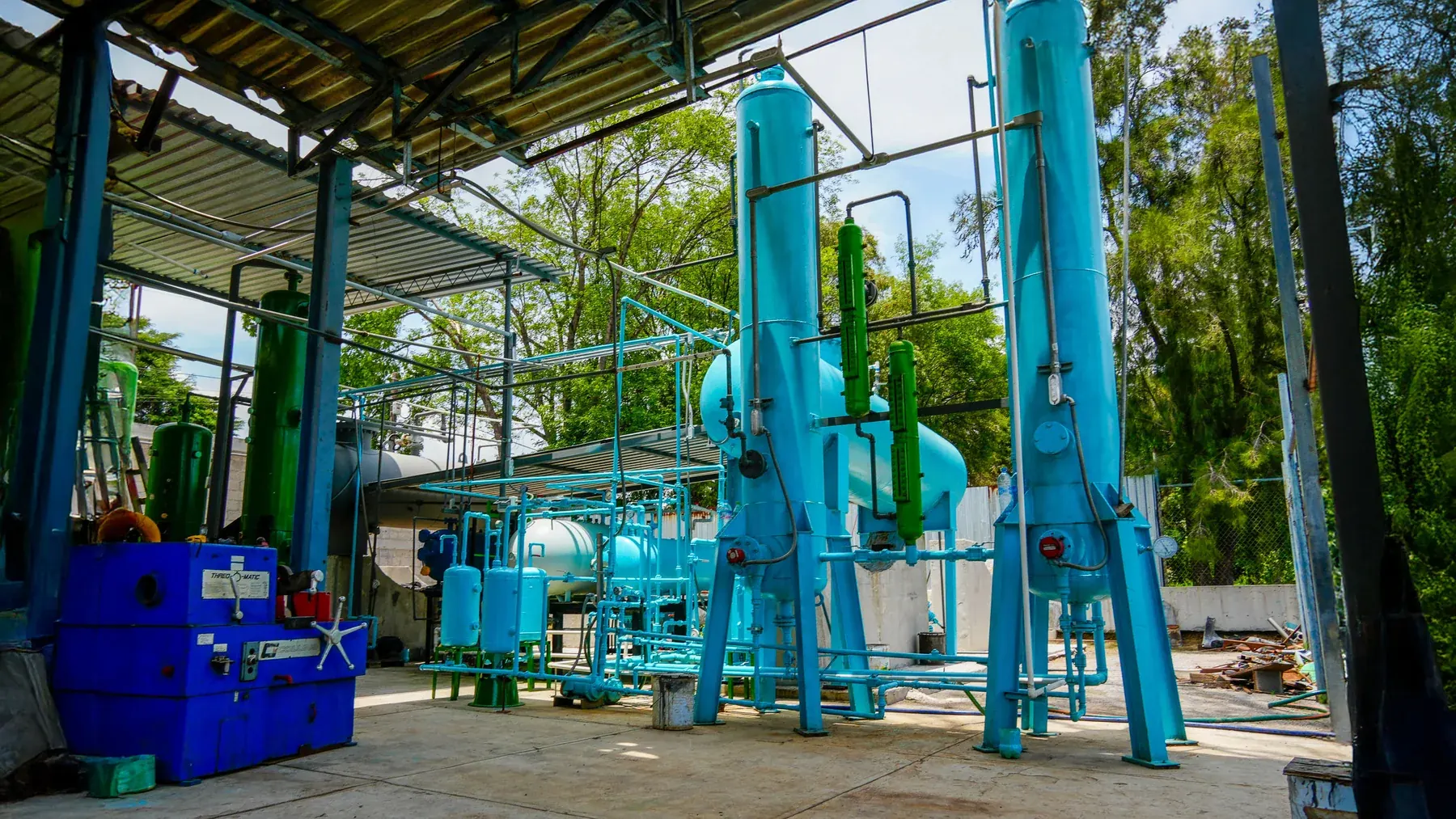
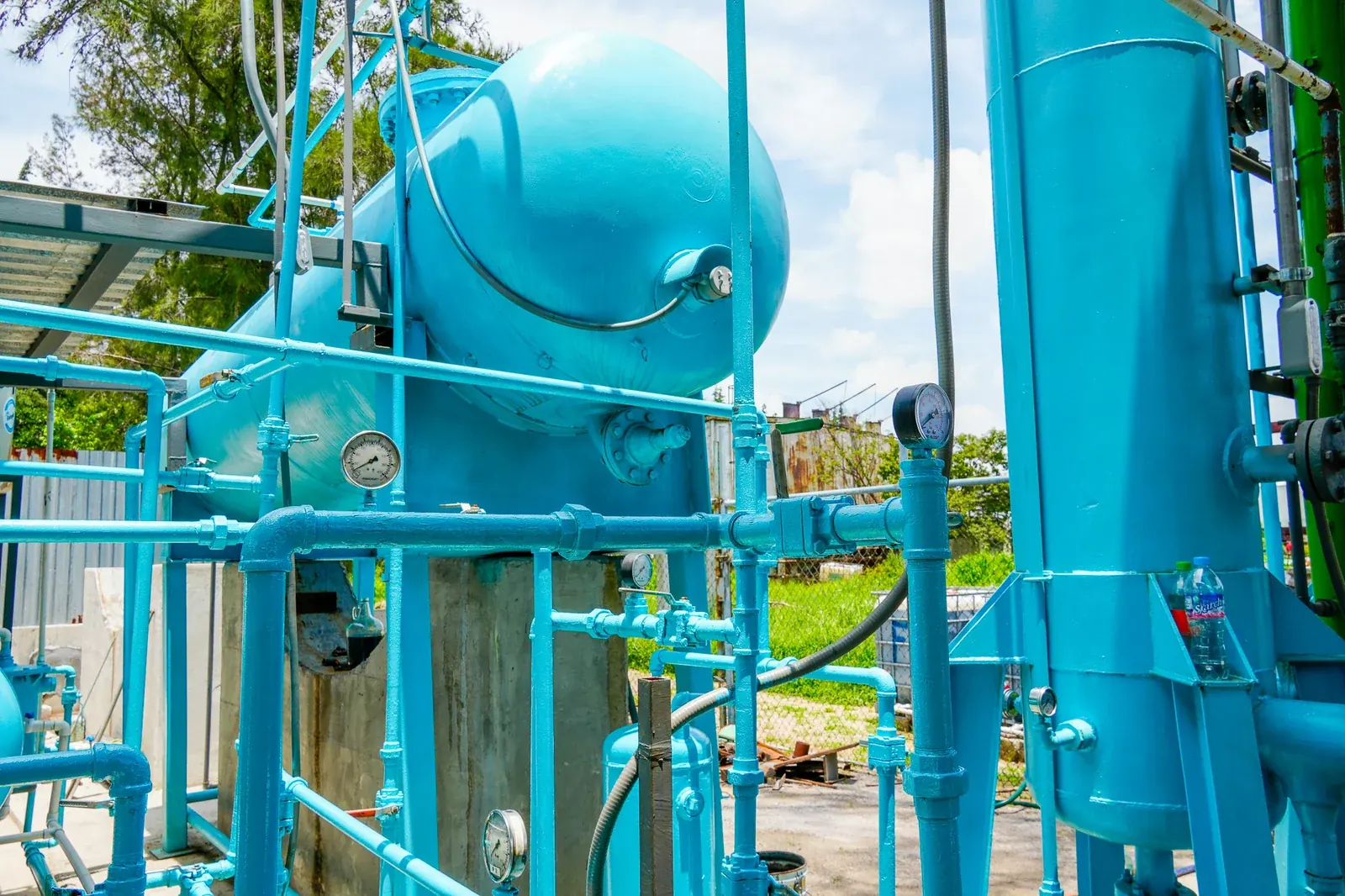
Time and distance matter in the real world — and so does placement. Systems perform differently depending on where they are located, how quickly they can respond, and how closely they are connected to the resources they serve. That is why the EcoTower is modular and transportable. It is designed to be deployed where the need exists rather than requiring resources to travel elsewhere before action can begin. When recovery happens close to the source, response improves, unnecessary movement declines, and value remains connected to use.

PROXIMITY
Recovery begins where resources are produced.
TIMING
Recovery begins immediately.
CONTROL
Decisions remain closer to the operating environment.
CONTINUITY
Recovery becomes part of normal operations.
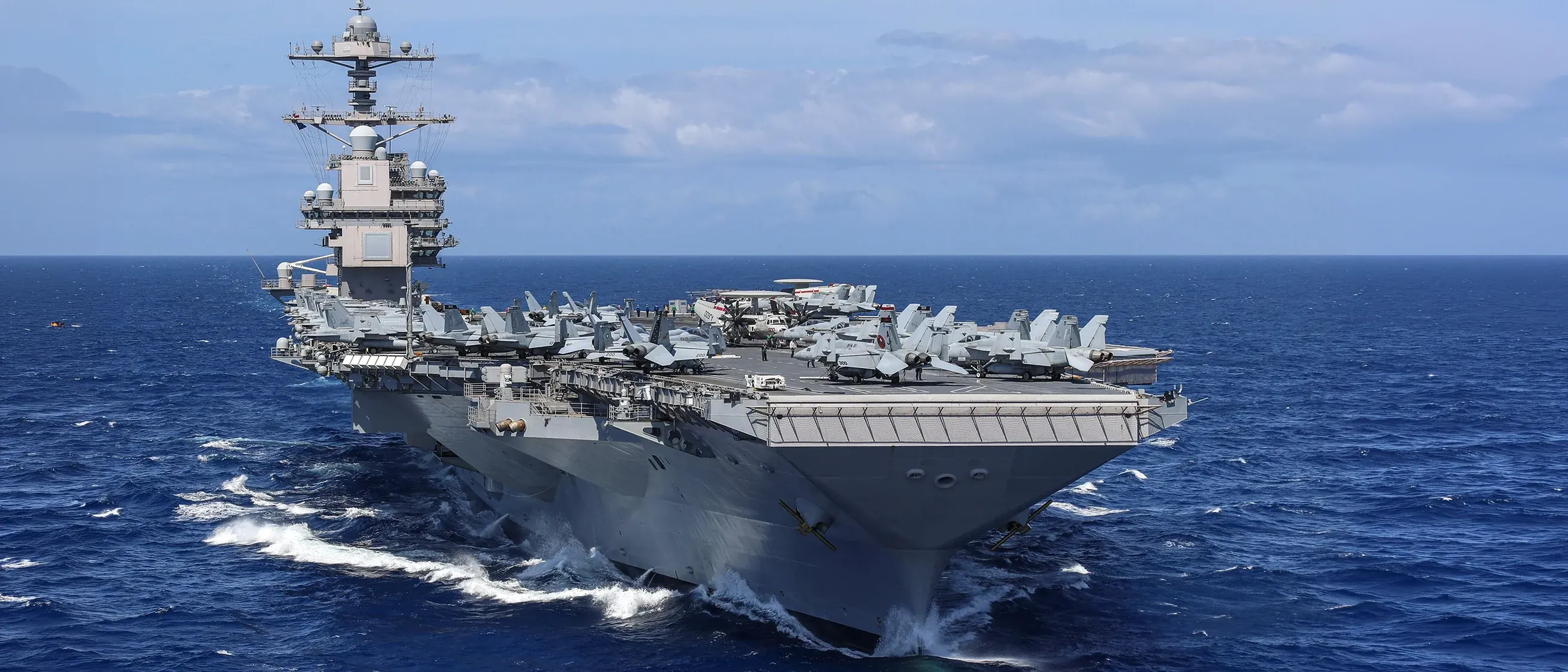
USS Gerald Ford aircraft carrier — representing the history of systems designed to process material streams at scale.

Scale has always been an infrastructure decision. The USS Gerald Ford represents the engineering commitment required when systems are designed to operate continuously, far from fixed support.

Behavior comparison: distance changes timing, economics, and control. The diagram compares centralized delay with local immediacy.

05 / BEHAVIOR

The proof of infrastructure is behavior.

Two systems. The same resource stream. One moves material elsewhere before action begins. The other acts where the resource already exists. The first spends time, coordination, and money before recovery begins. The second begins immediately.

The difference is not theoretical. It becomes visible in operating costs, response times, resource utilization, and long-term performance. Infrastructure is ultimately judged by behavior. The systems that perform best are the systems that solve problems sooner, reduce unnecessary costs, and continue working long after the initial decision has been made.

06 / OUTCOME

Once value remains in use, it no longer needs to be recovered later.

This is the logic behind Greencycling. Not rescue after the fact. Not recovery as a separate activity. An operating model where recovery, use, and return remain connected from the beginning. The most effective systems reduce unnecessary movement, reduce unnecessary delay, and keep resources working longer inside the environments that produce them. Efficiency is immediate.

Continue to Greencycling

The best systems are invisible.