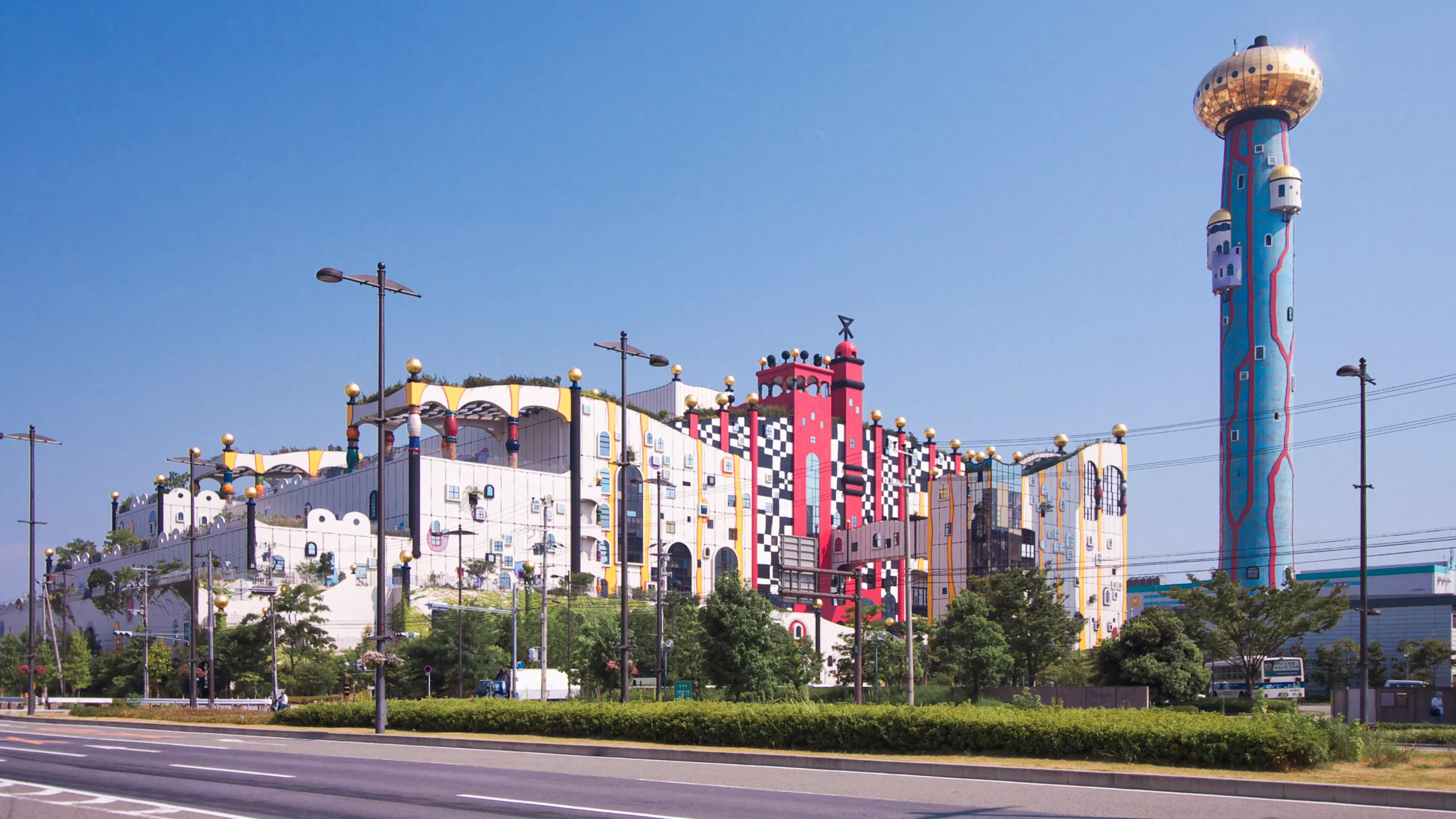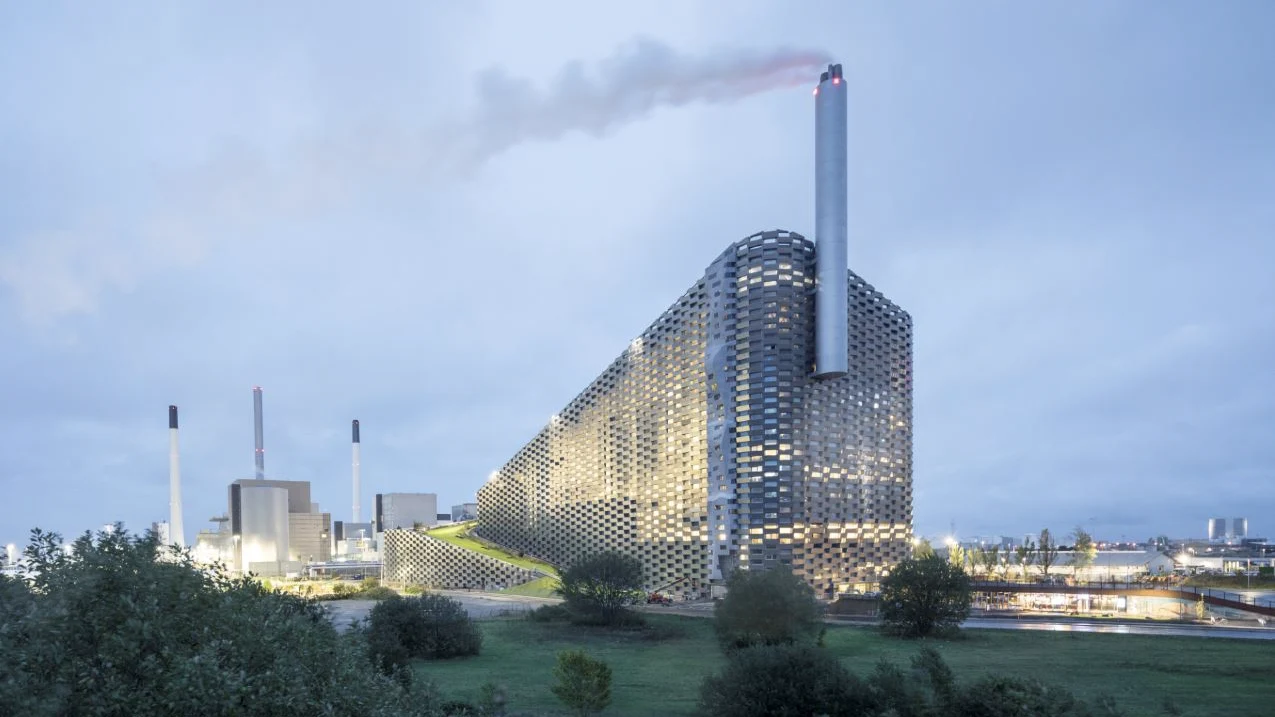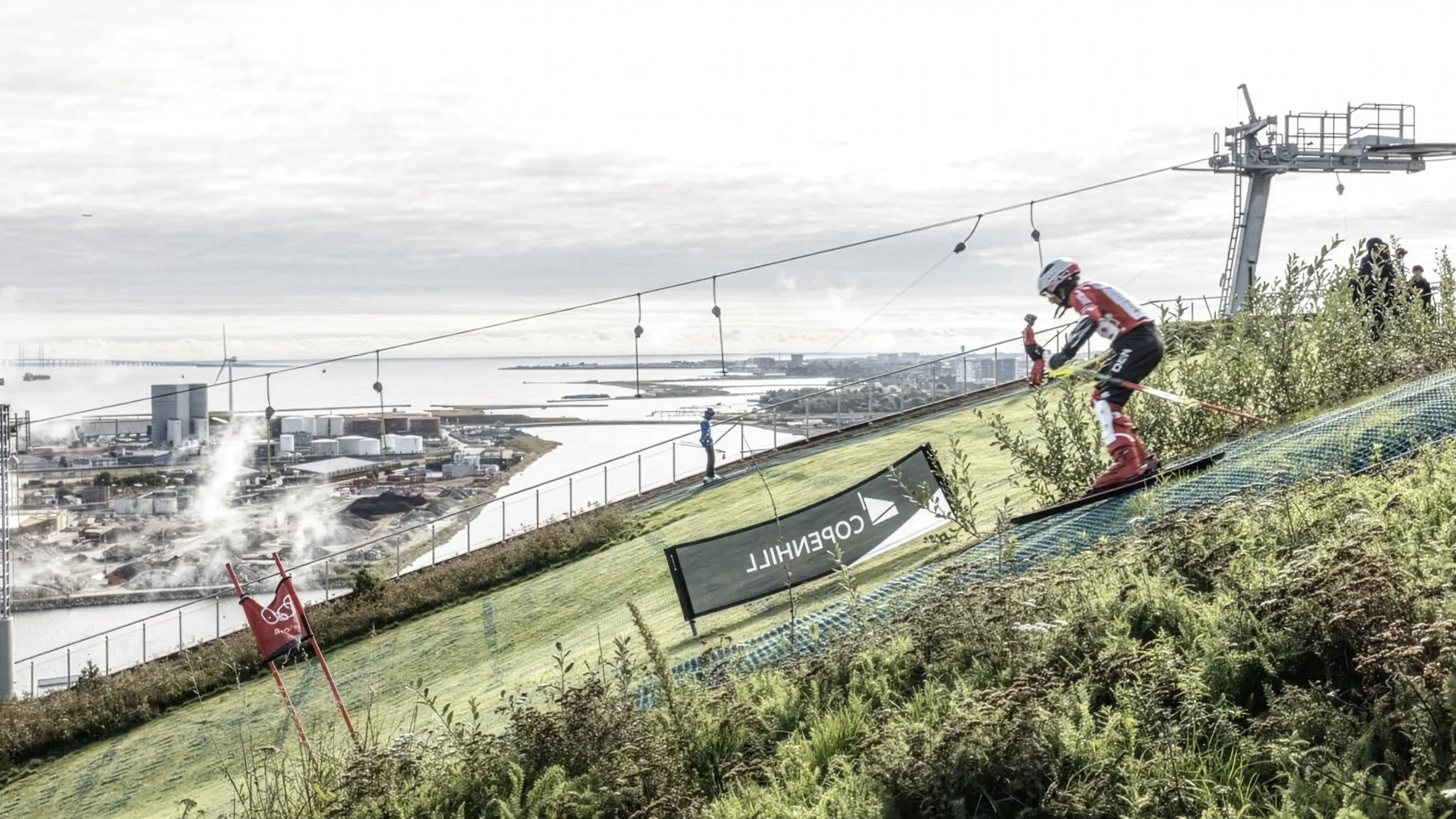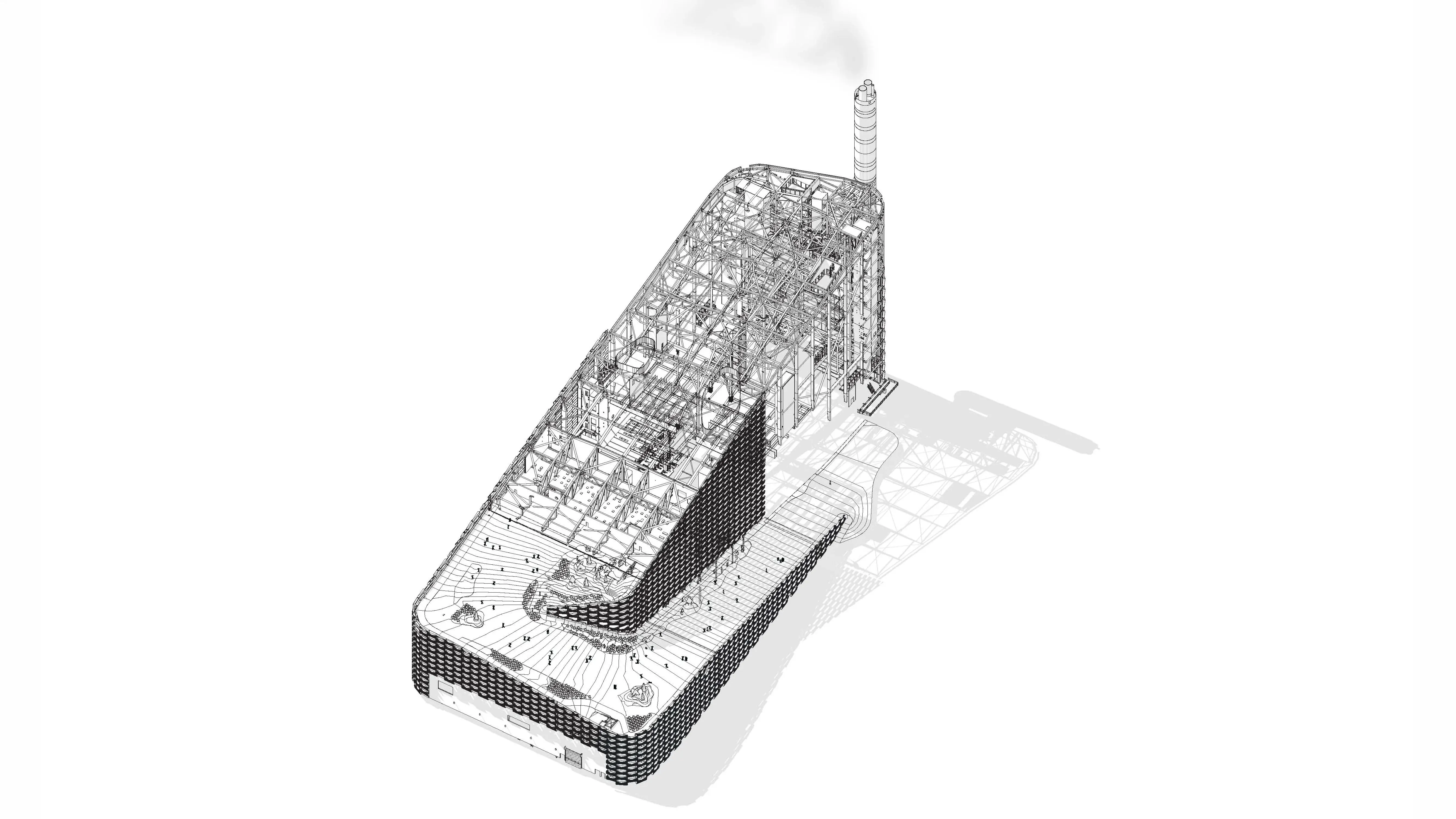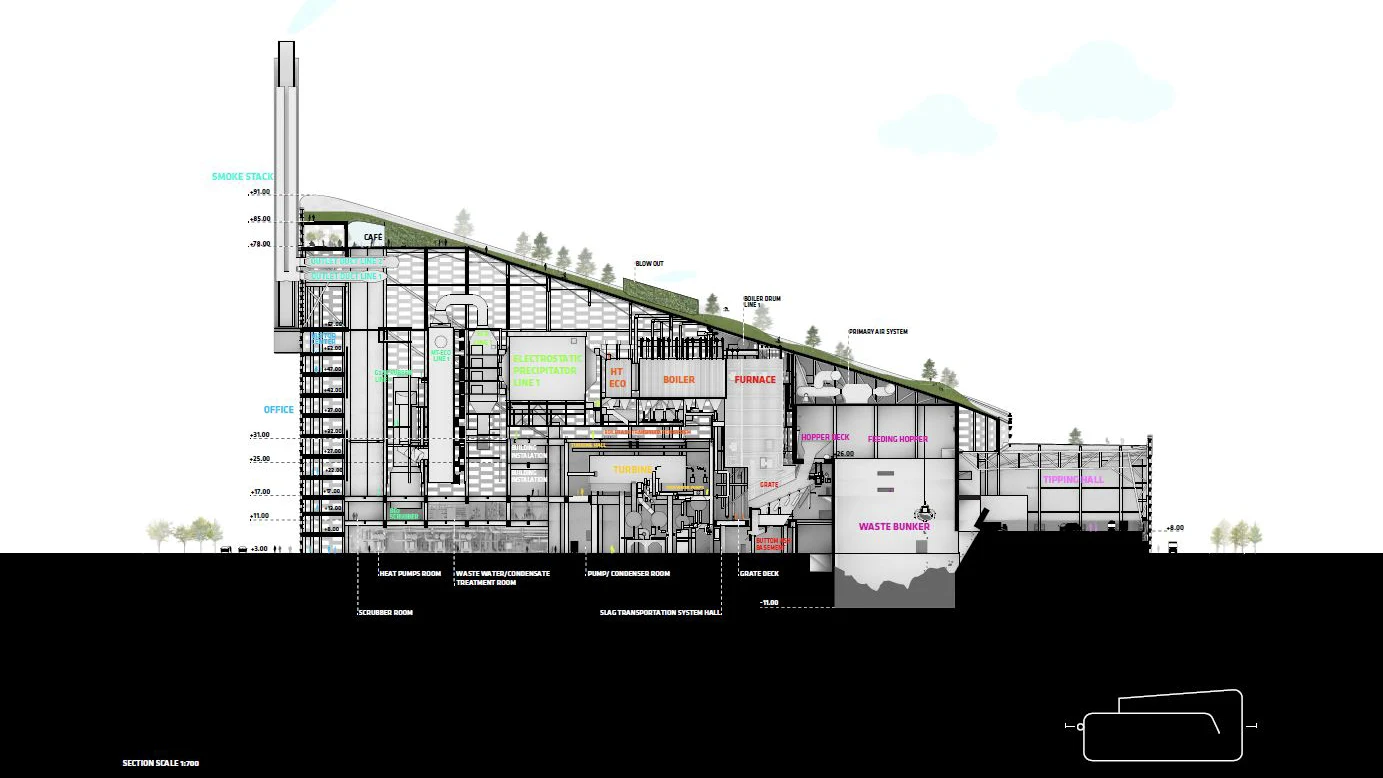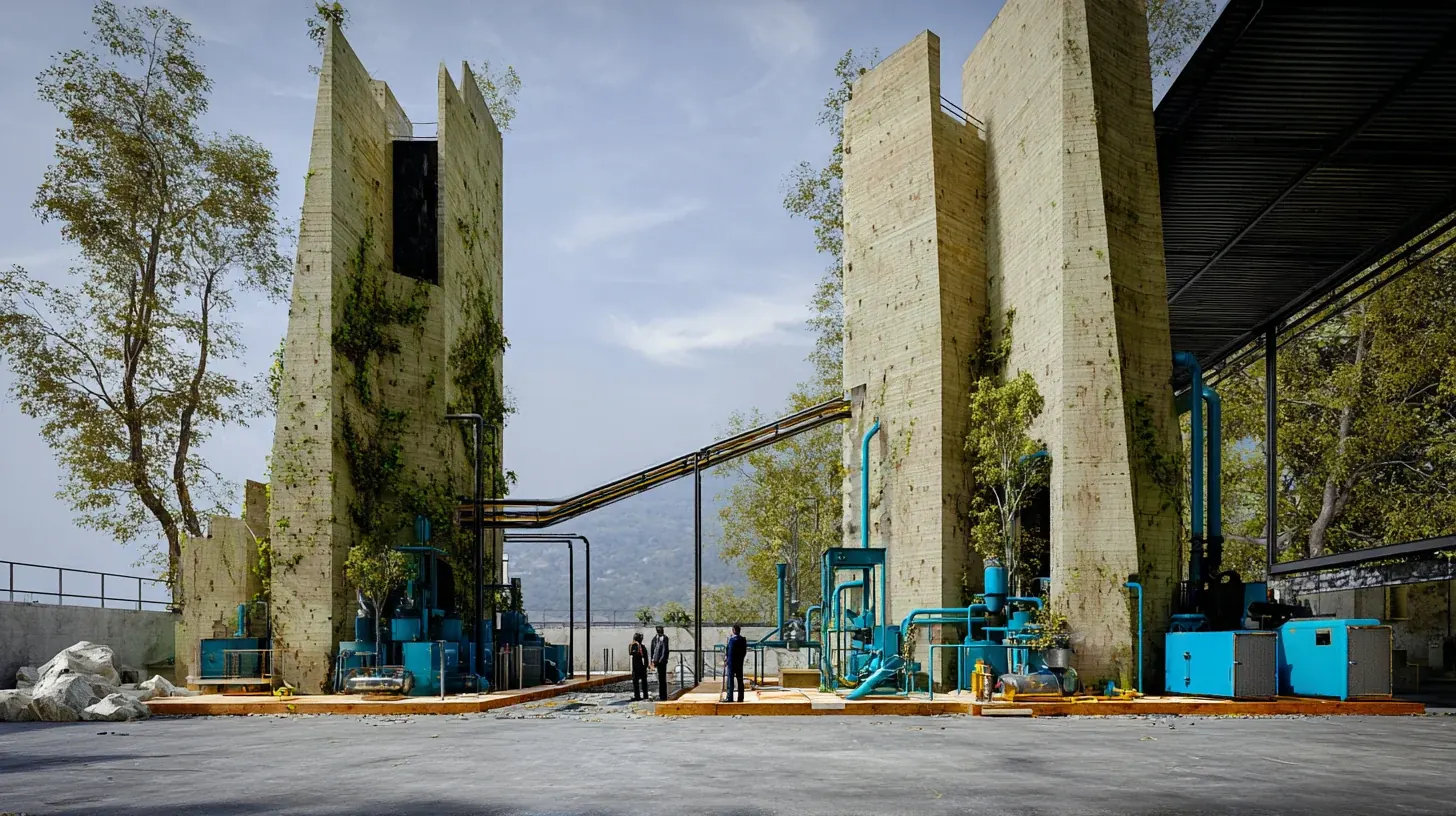

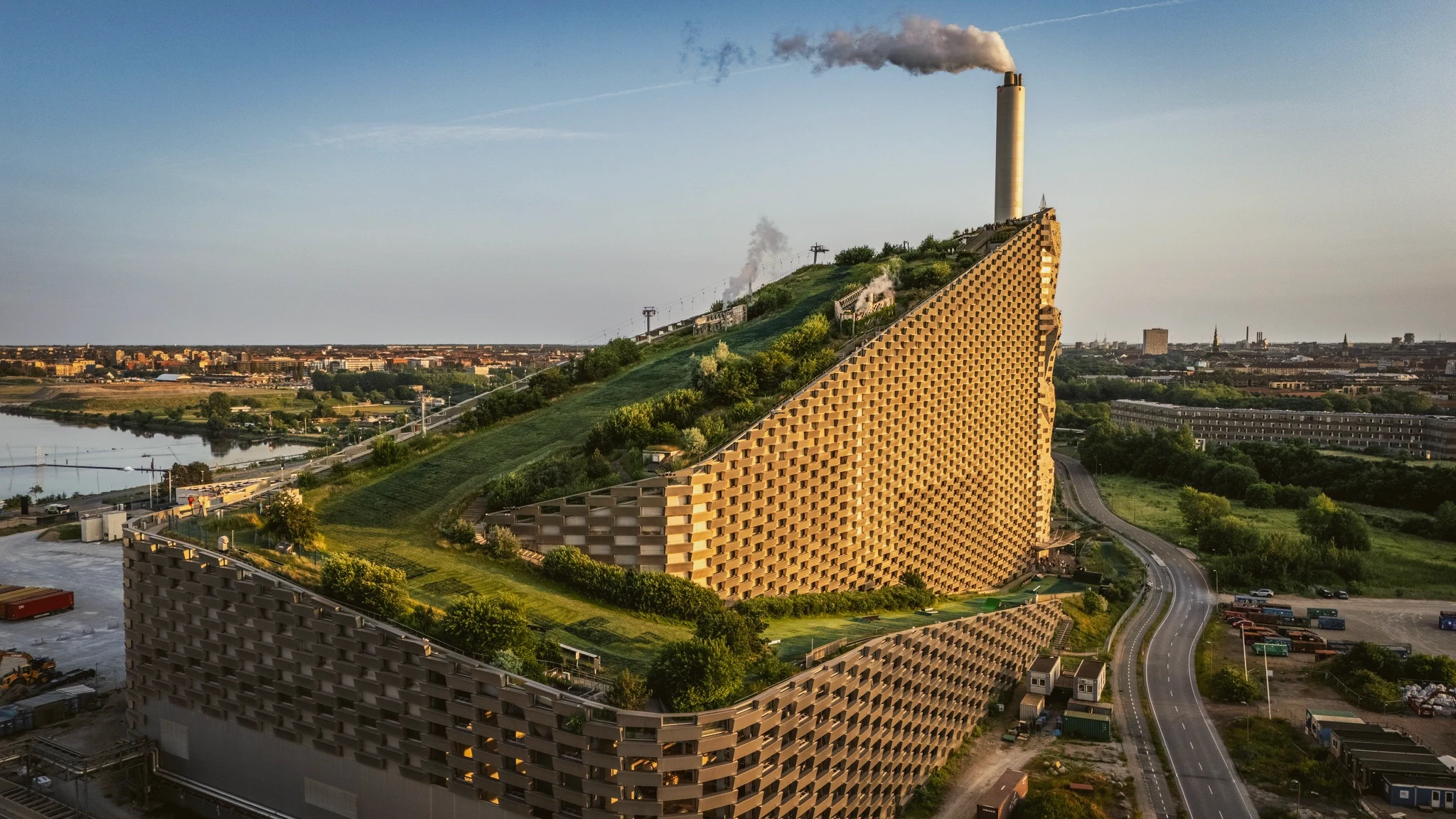
Amager Bakke CopenHill waste-to-energy facility in Copenhagen with ski slope architecture and civic infrastructure scale

APPLICATIONS

Systems work where operating pressure becomes physical.

Water, energy, treatment, distance, cost, and control do not stay abstract. They meet in places.

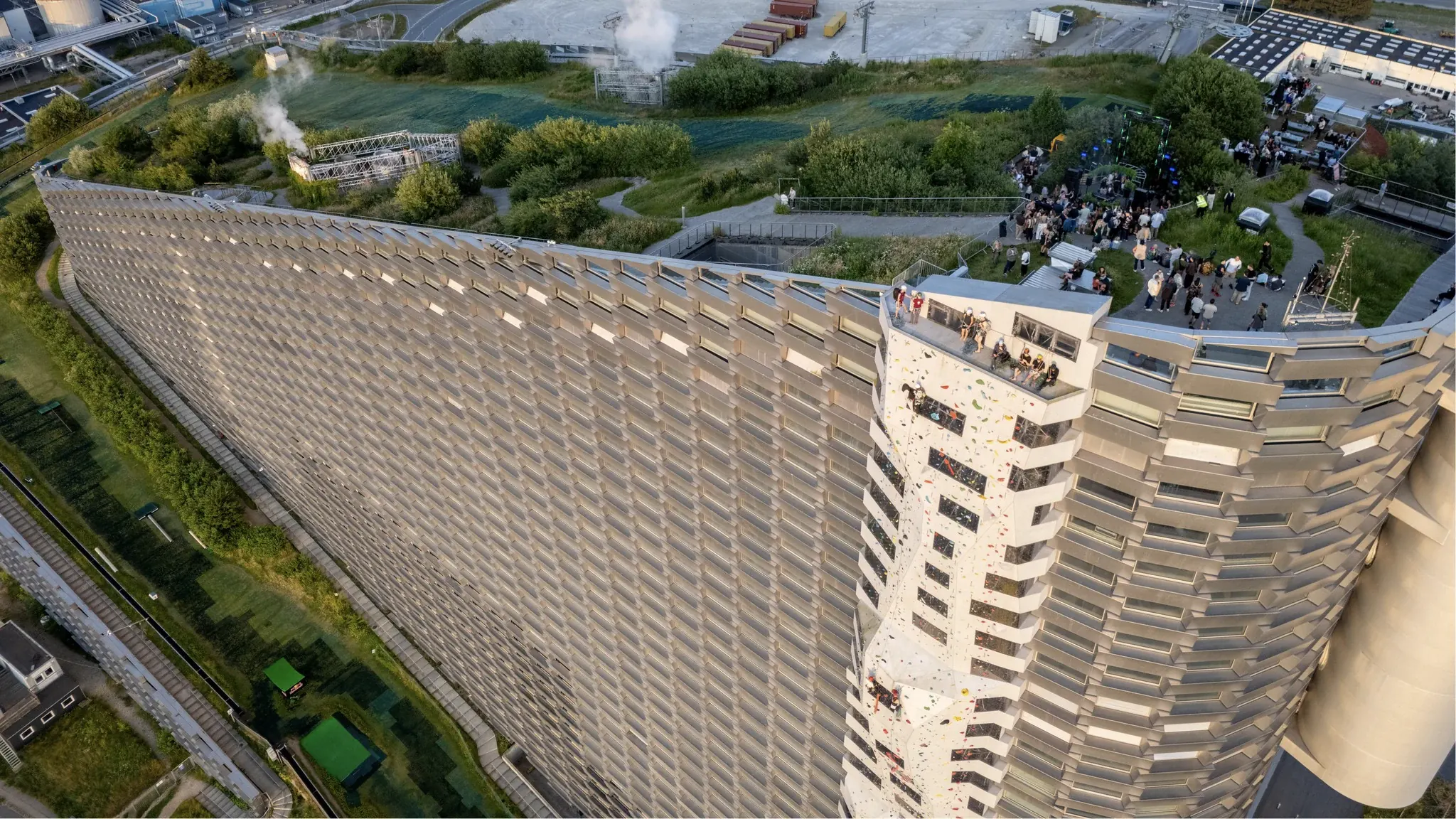
Amager Bakke / CopenHill in Copenhagen, Denmark is a large-scale waste-to-energy facility integrating electricity, district heating, and a public ski slope.

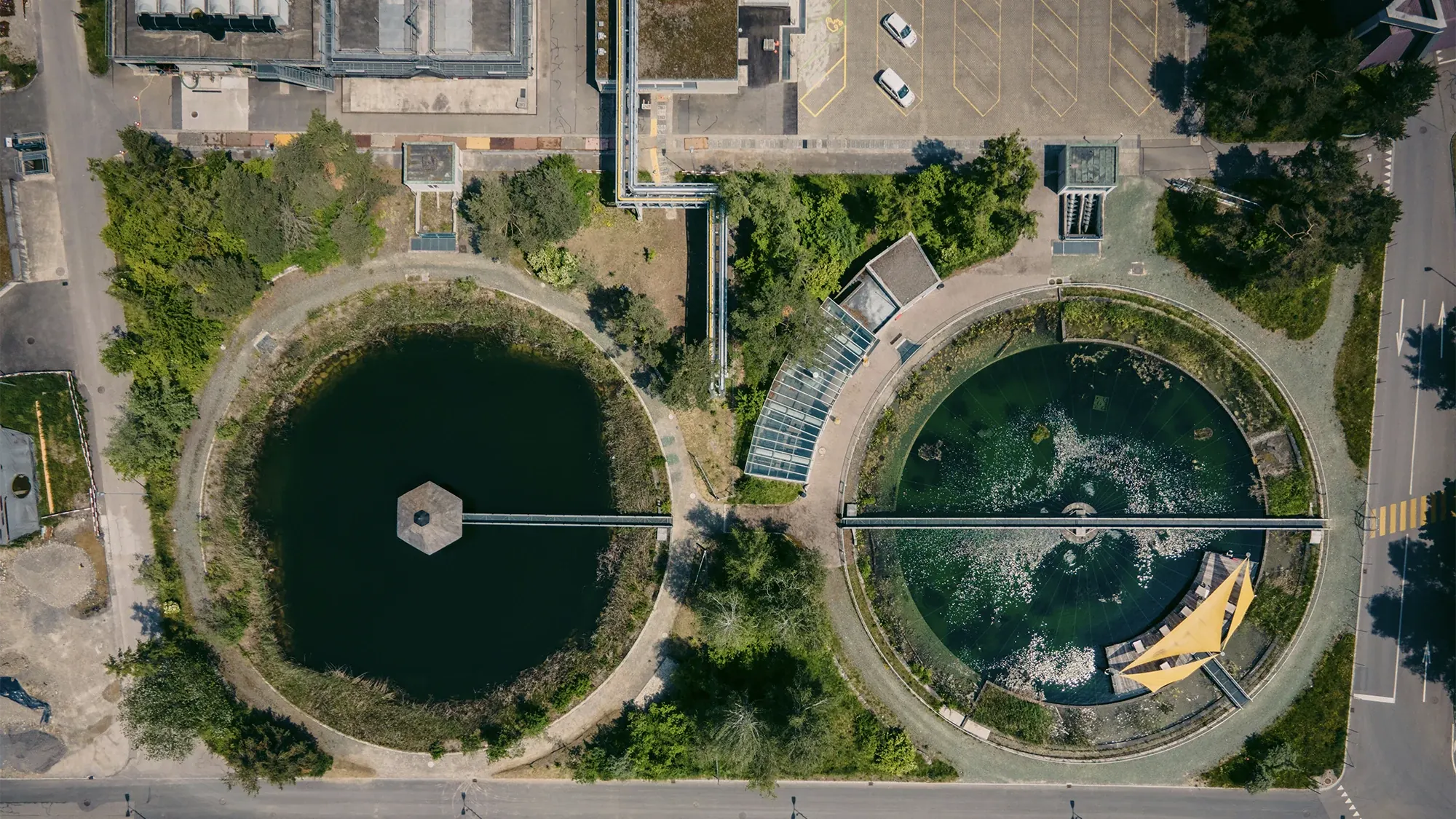
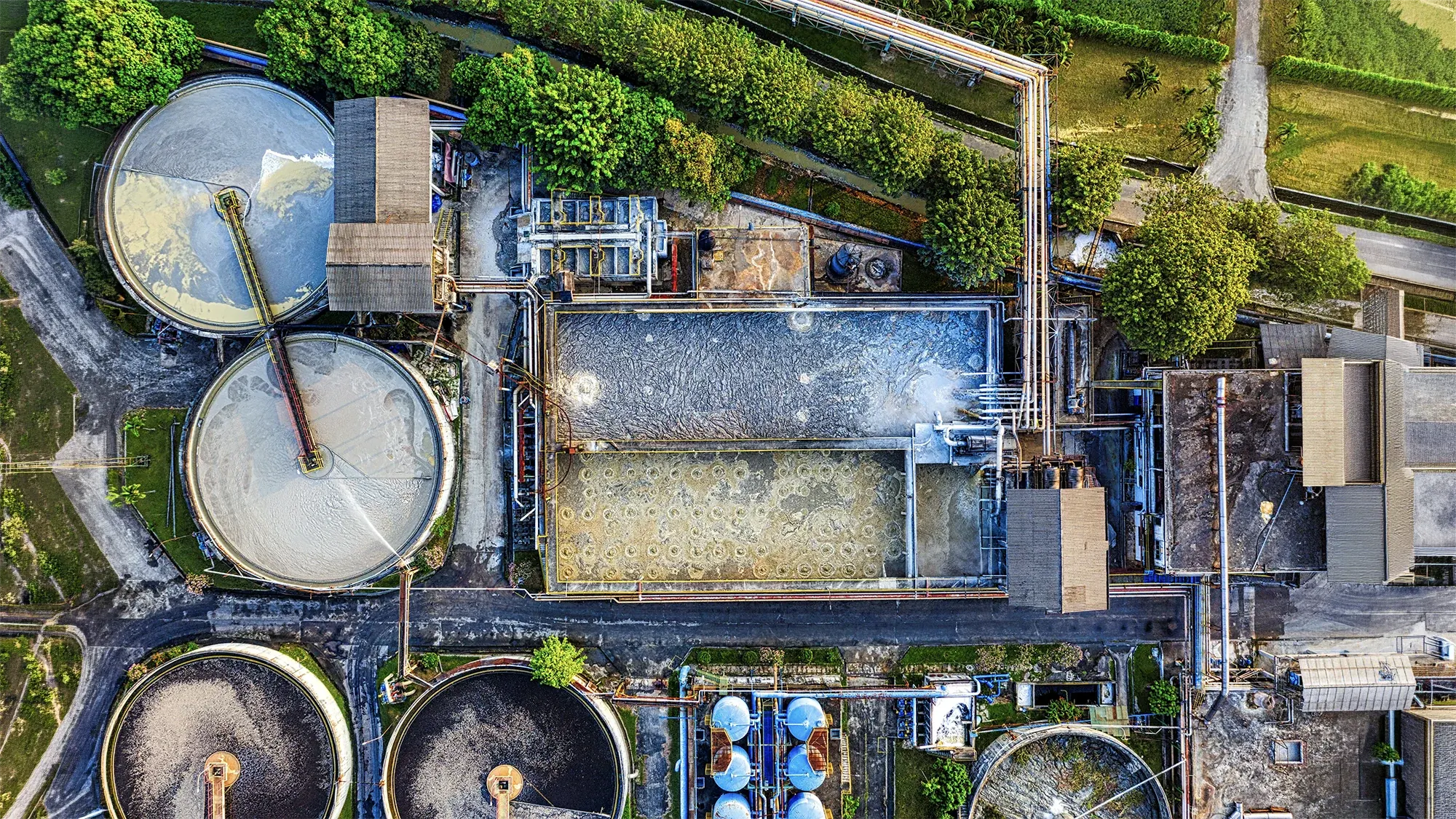
Large municipal treatment facility showing operating scale, roads, equipment, and civic infrastructure

Large systems can work when capital, land, permitting, and civic coordination hold together. The image shows a major municipal treatment facility with roads, structures, and operating scale.

01 / OPERATING FRAME

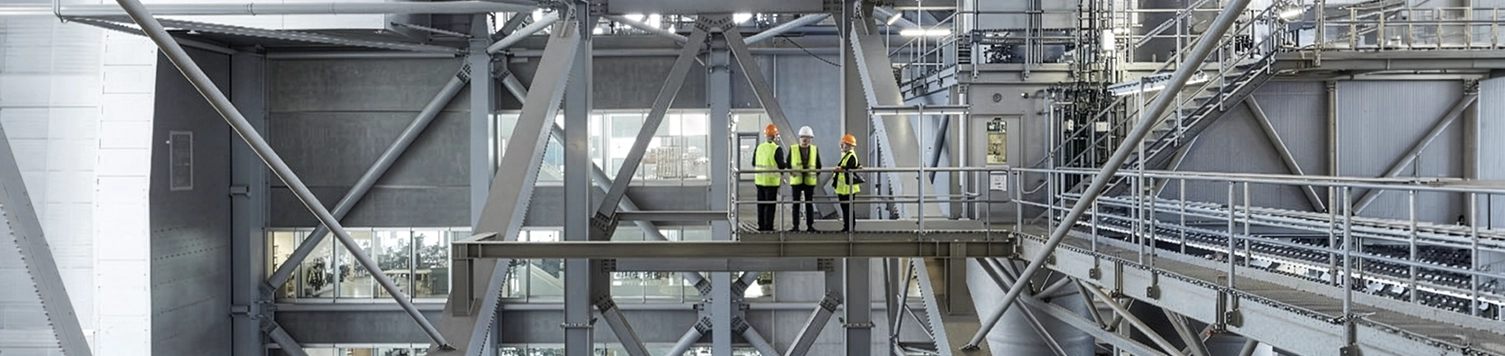
Modular WtE and WWT infrastructure belongs where streams are continuous.

ZERE applies to places that already carry repeated material, water, energy, and treatment demands. The work is not to invent pressure. The work is to act close enough to use what is already present.

Municipal
Water treatment, sludge, public cost, and service continuity.
Industrial
Process water, heat, power, and uninterrupted operation.
Agriculture
Effluents, manure, nutrient streams, land, and water recovery.
AI / Data
Energy demand, cooling water, utilities, and site resilience.

02 / OPERATING ENVIRONMENTS

Different places carry different pressure.
The operating logic stays consistent.

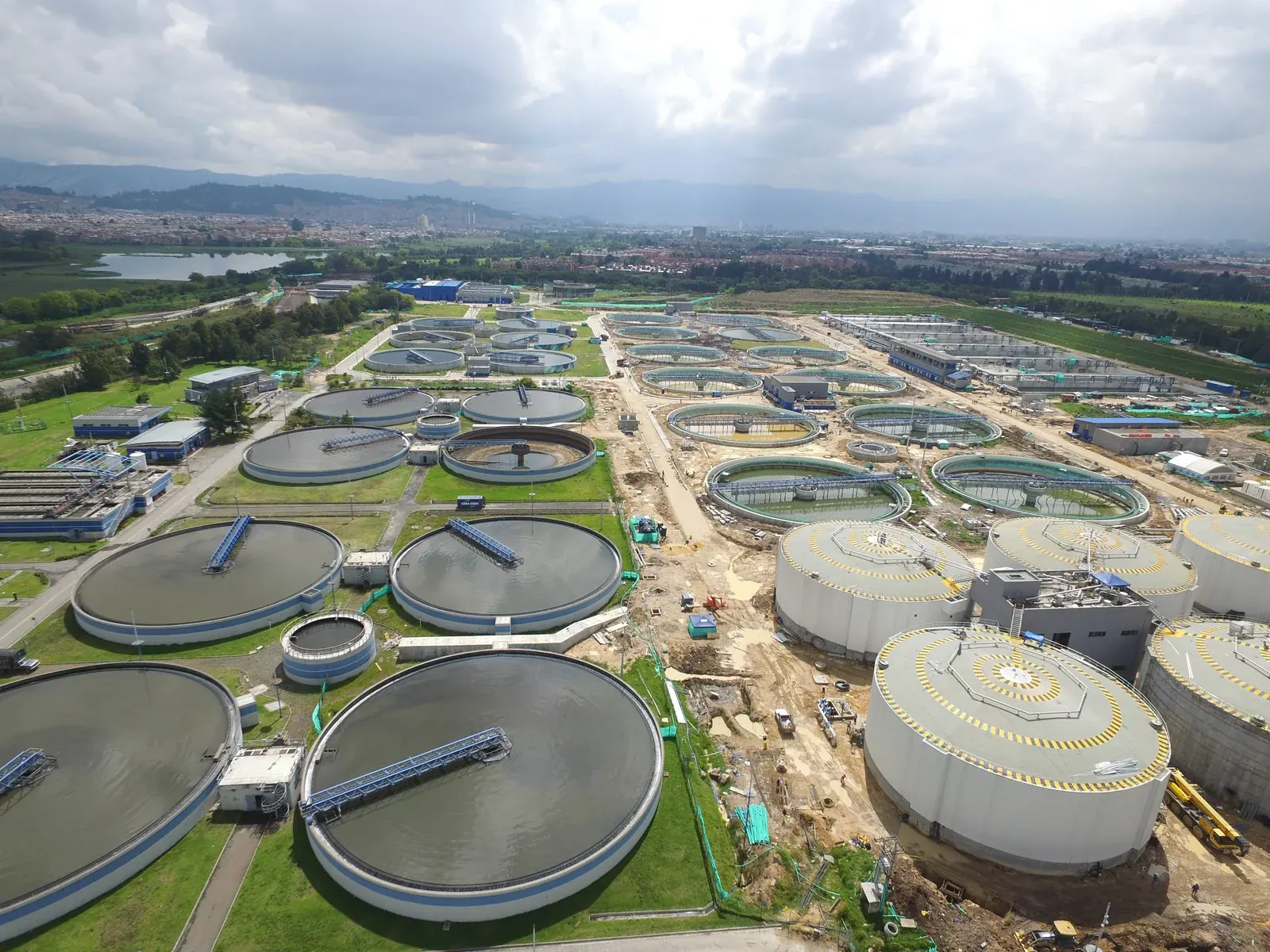
Municipal wastewater treatment infrastructure with tanks, process basins, and civic treatment scale

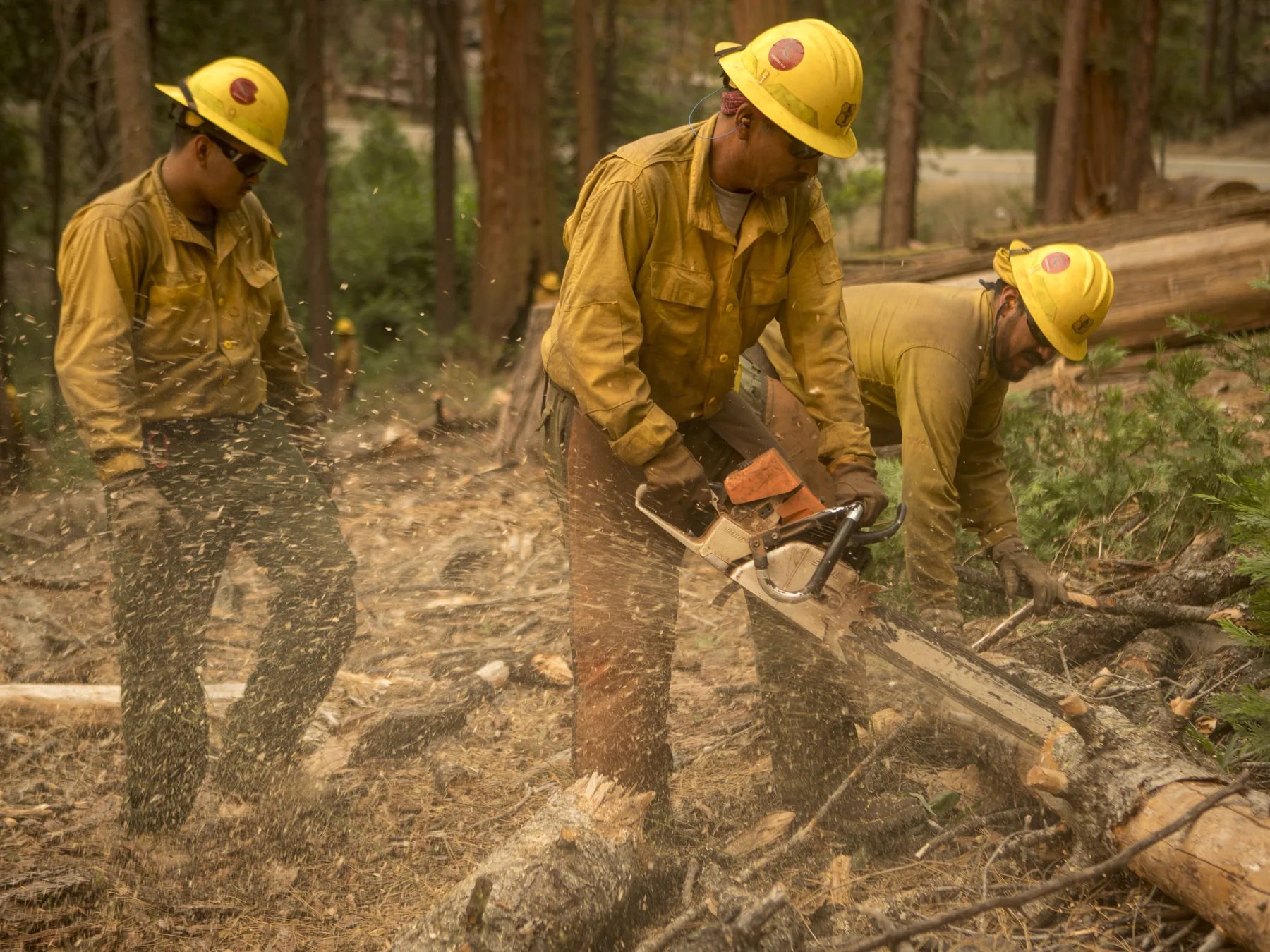
Municipal systems carry public treatment obligations. A wastewater treatment facility shows tanks, basins, and civic infrastructure scale.

Municipal Systems

Local treatment burden becomes a public operating question.

Municipal systems manage effluents, sludge, water recovery, treatment cost, and continuity of service. When streams are moved far from where they begin, public burden becomes transport burden as well.

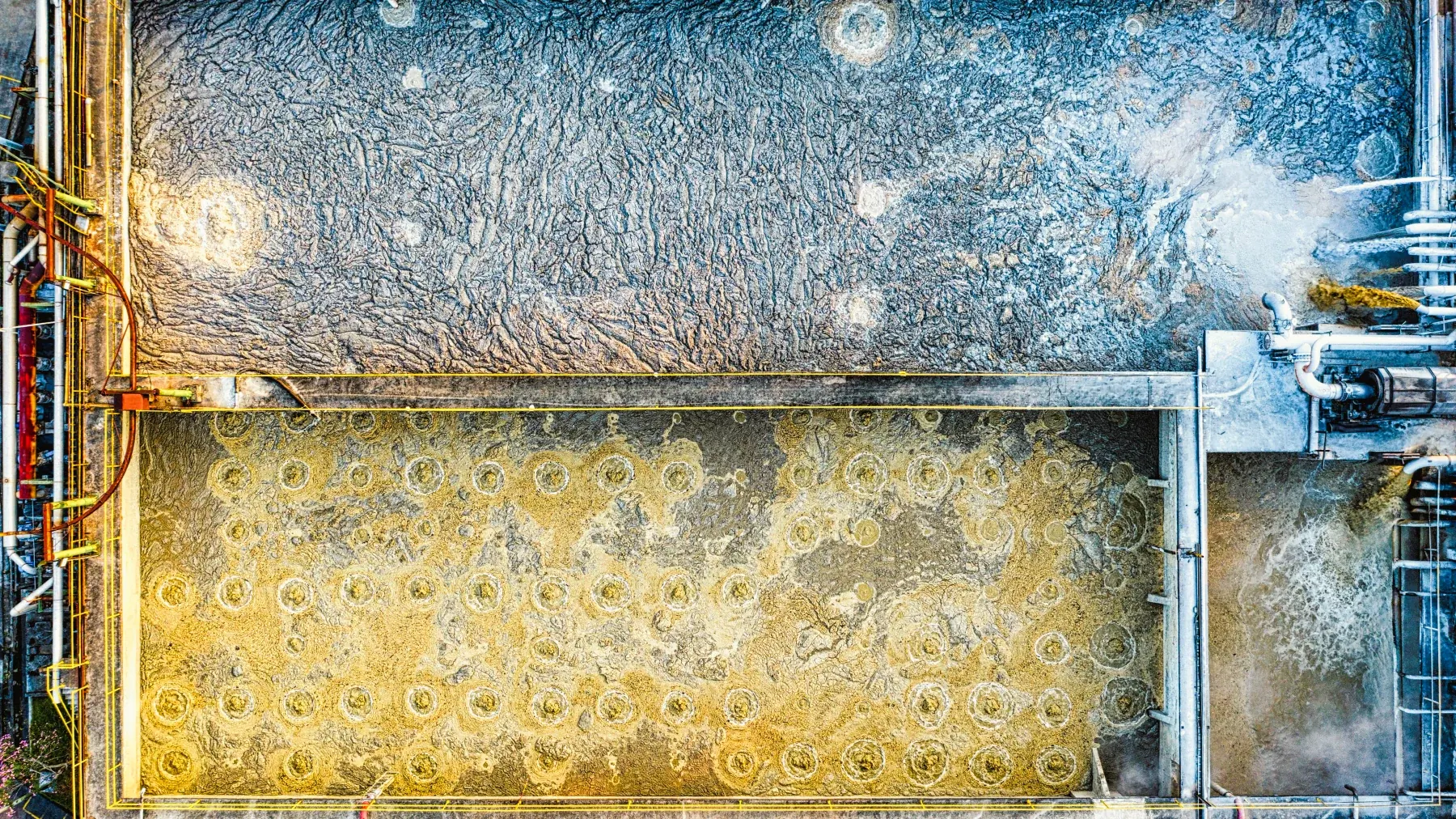
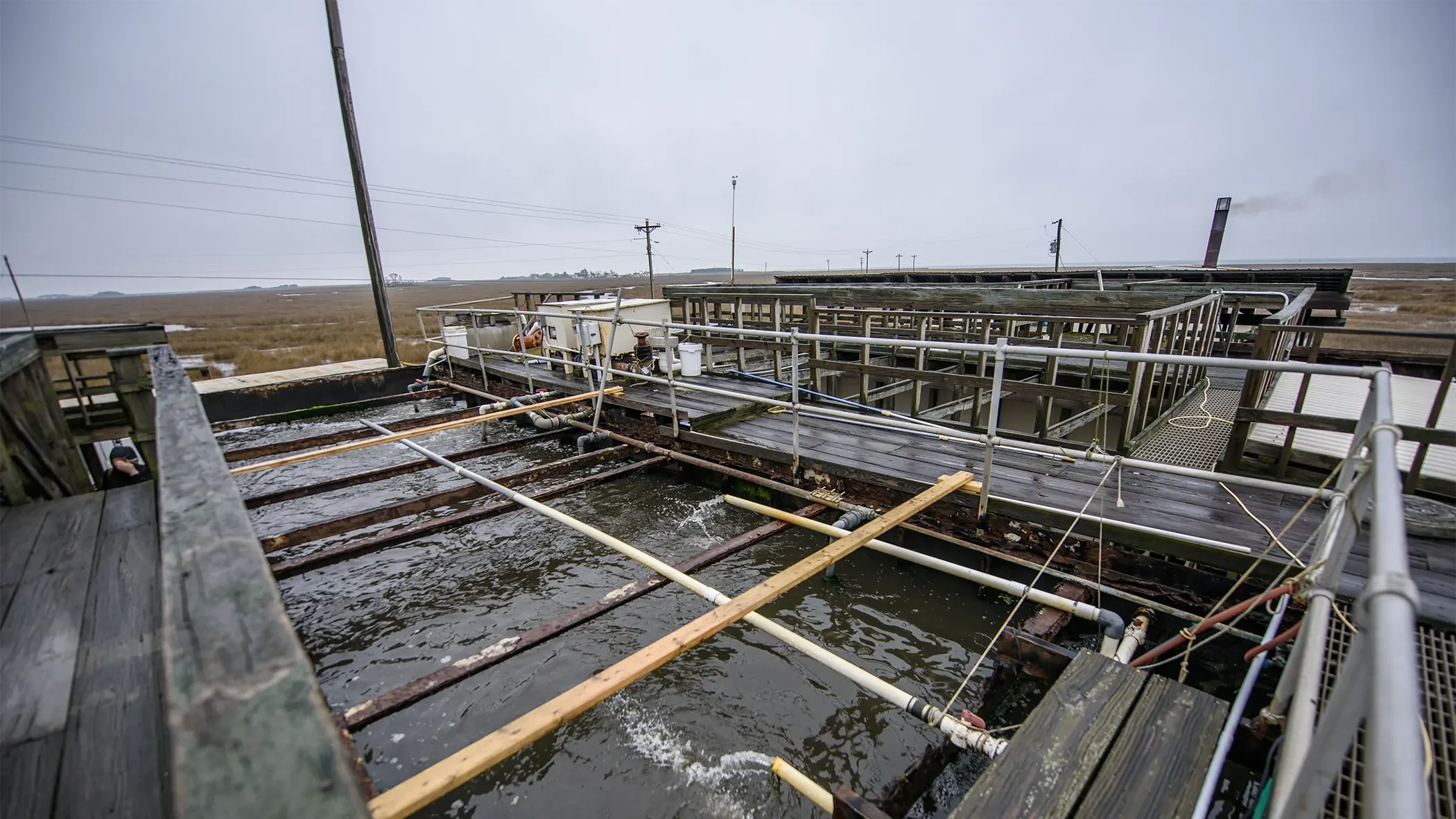
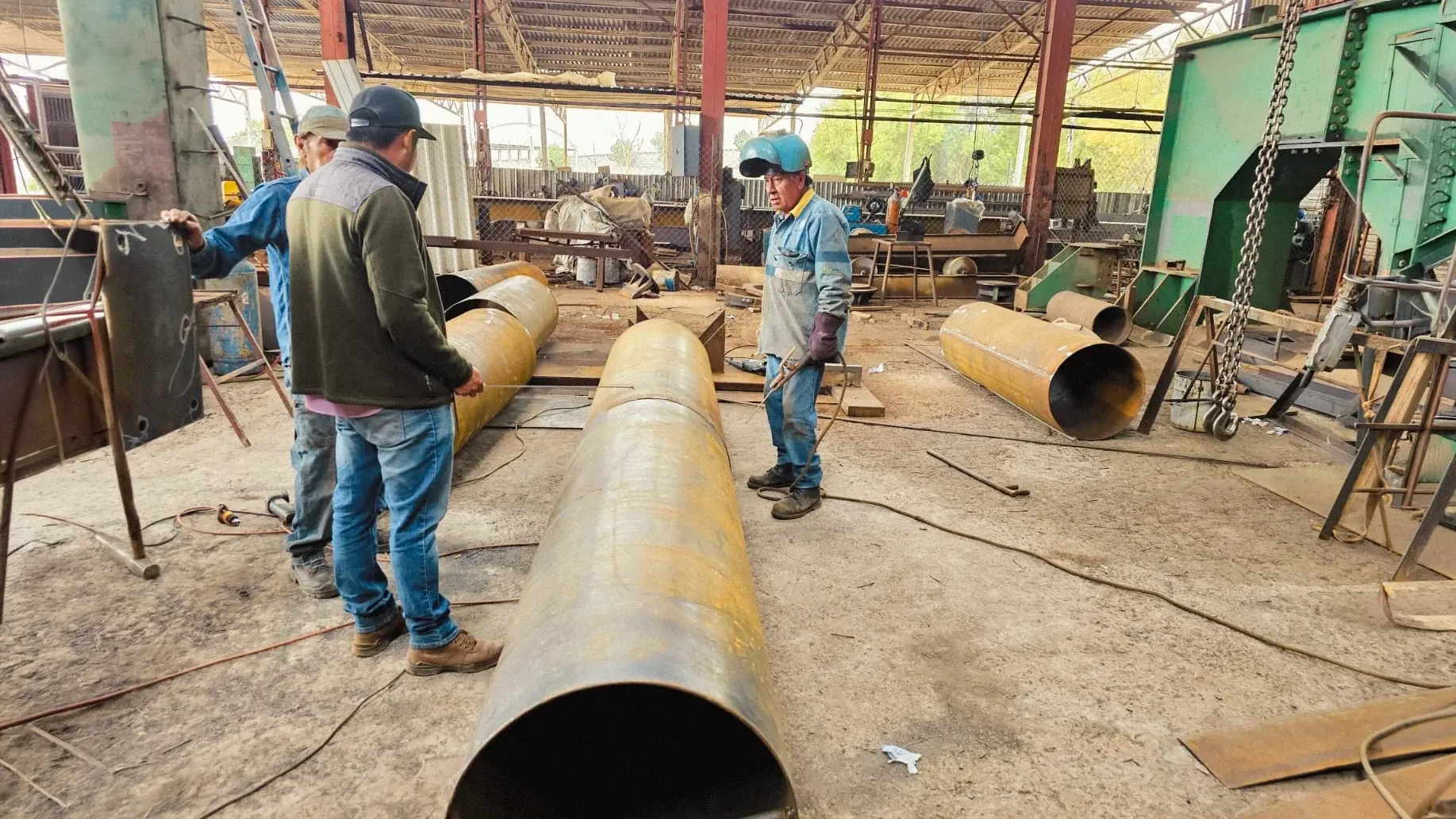
Industrial water and process infrastructure showing tanks, piping, and facility continuity

Industrial operations depend on treatment continuity. Tanks, piping, and process equipment show water and operating infrastructure.

Industrial Systems

Continuous process demands require treatment that does not interrupt operation.

Industrial operations carry heat, water, effluent, and power loads that do not pause between shifts. Treatment must be continuous, proximate, and integrated with the operating context rather than routed away from it.

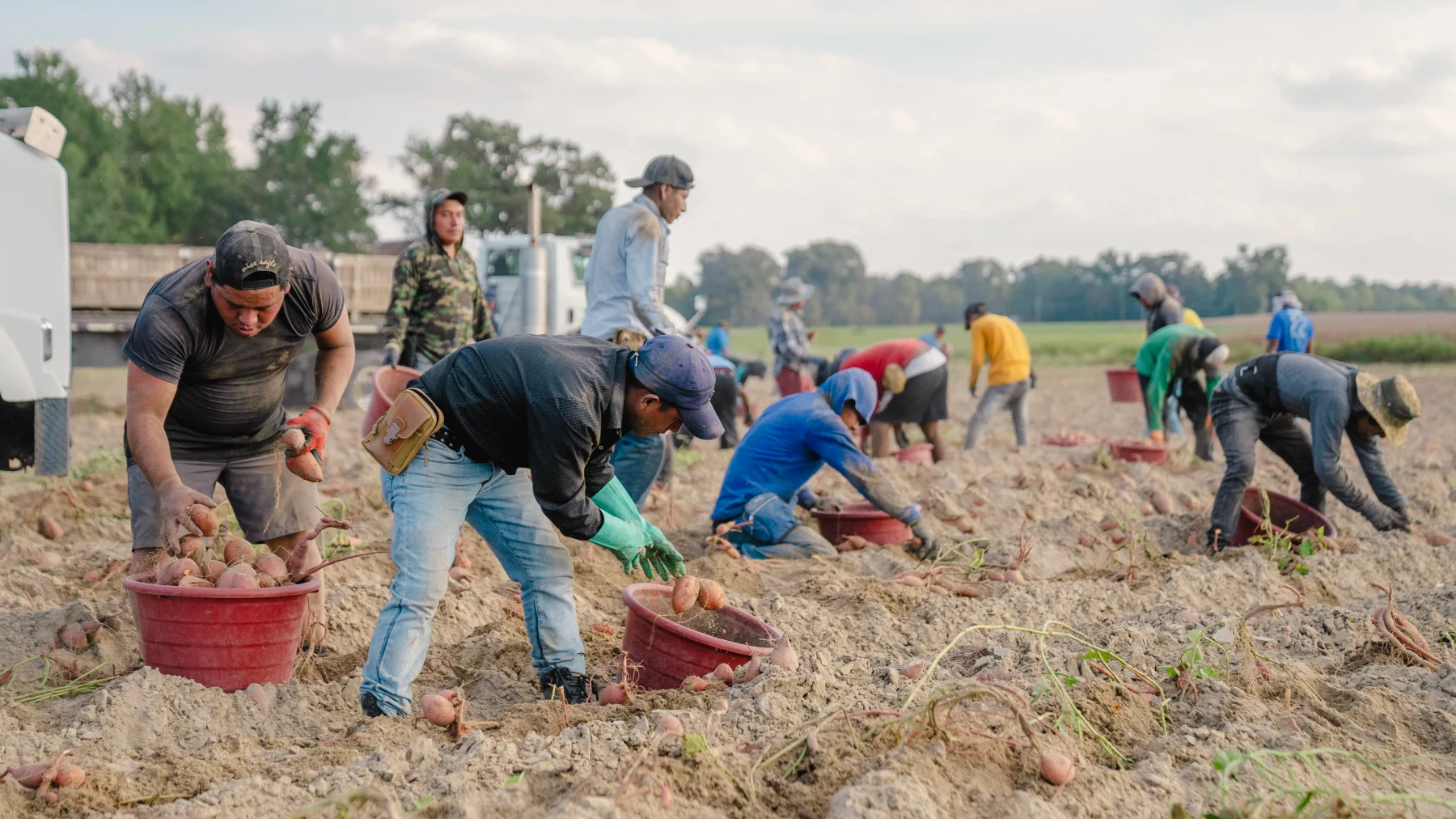
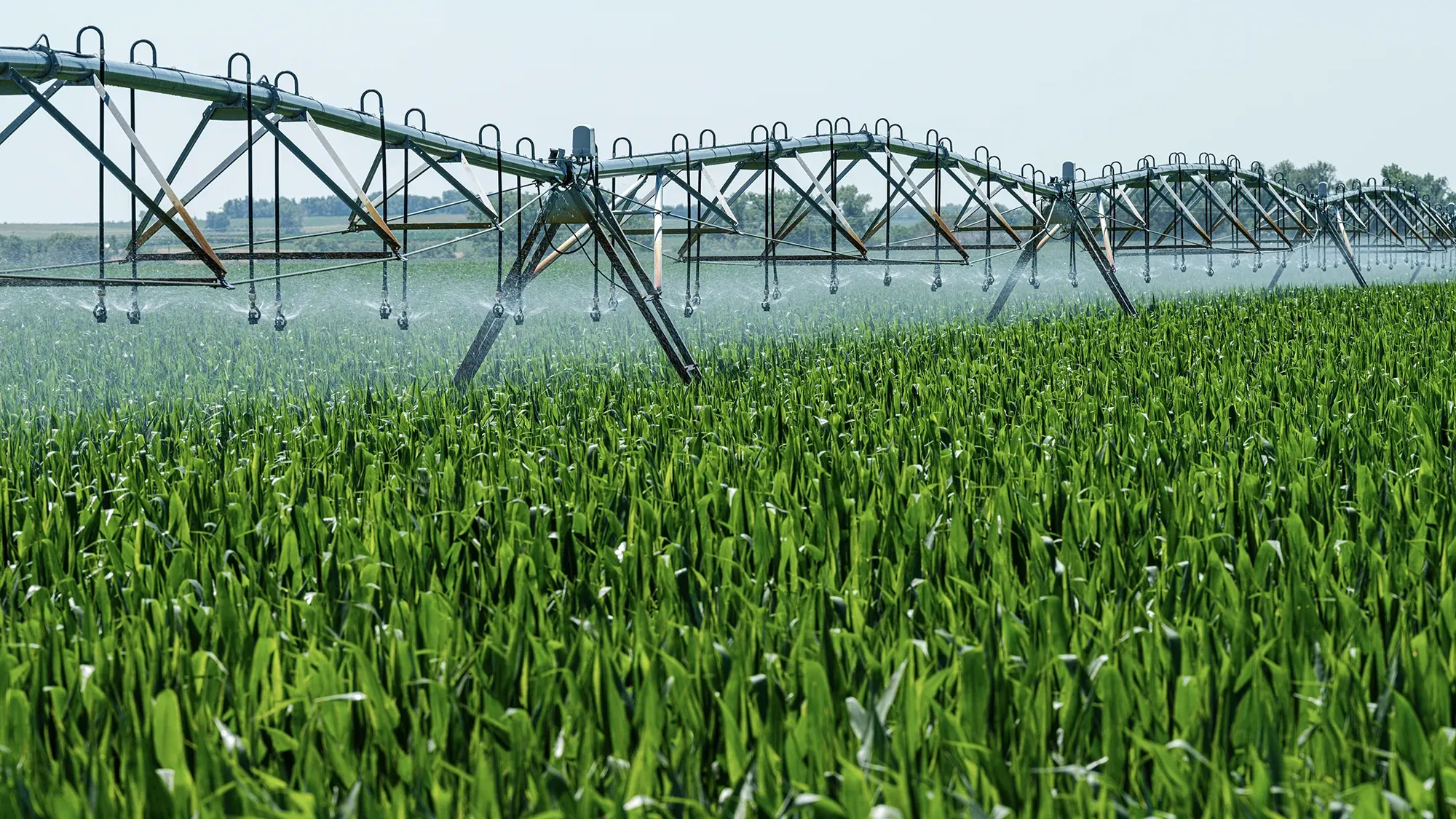
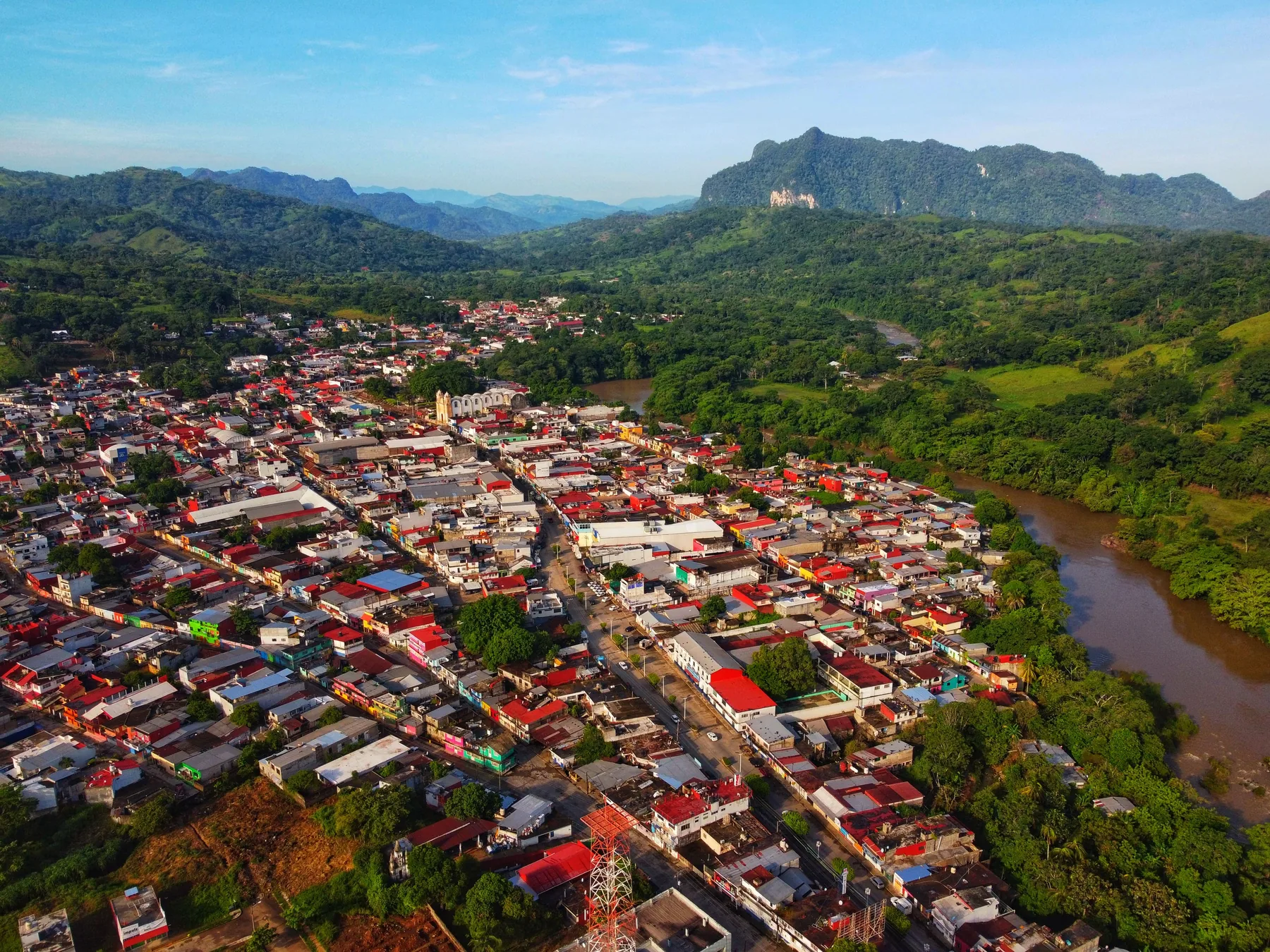
Agricultural field operations showing farm labor and operating context at scale

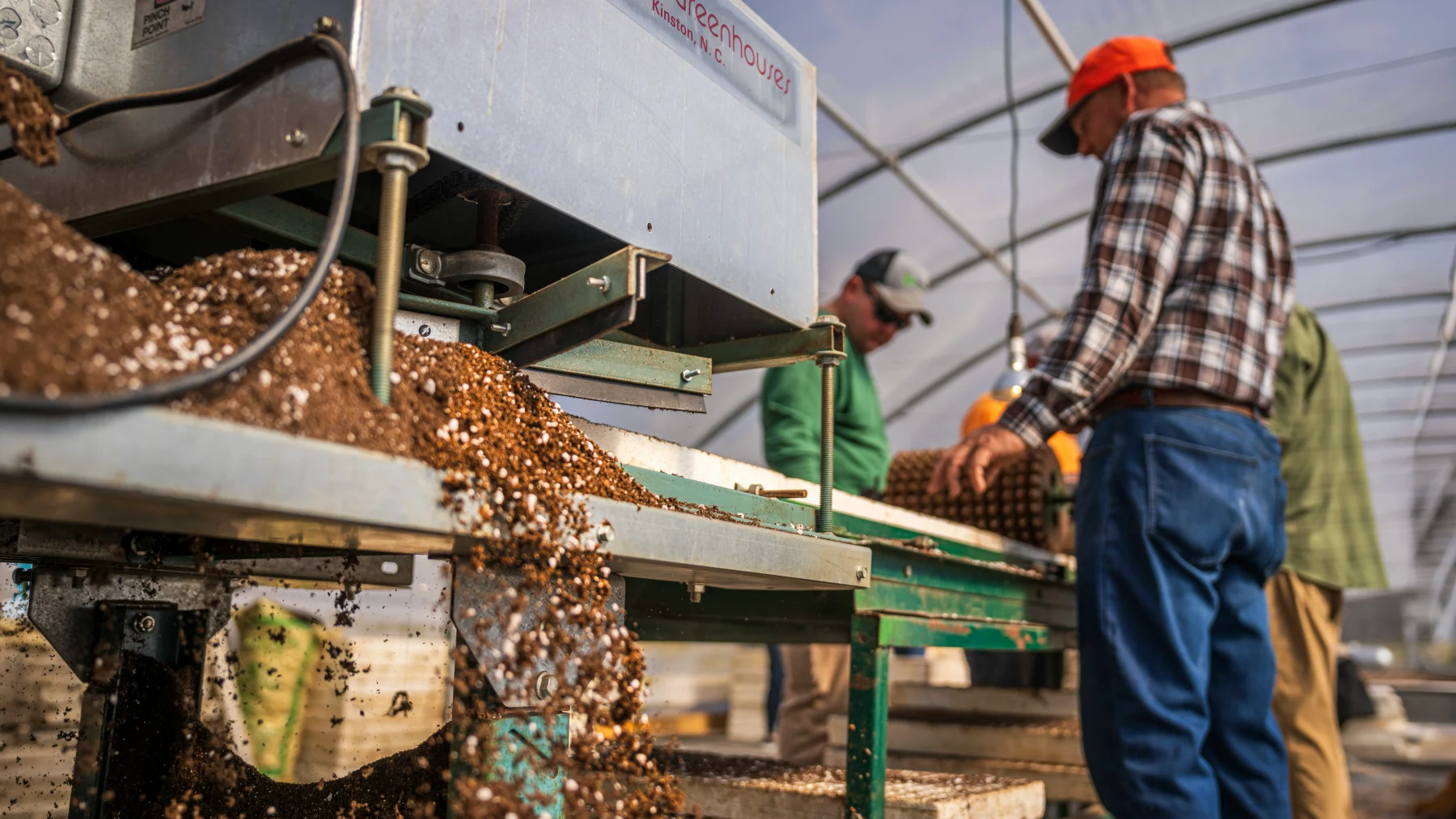
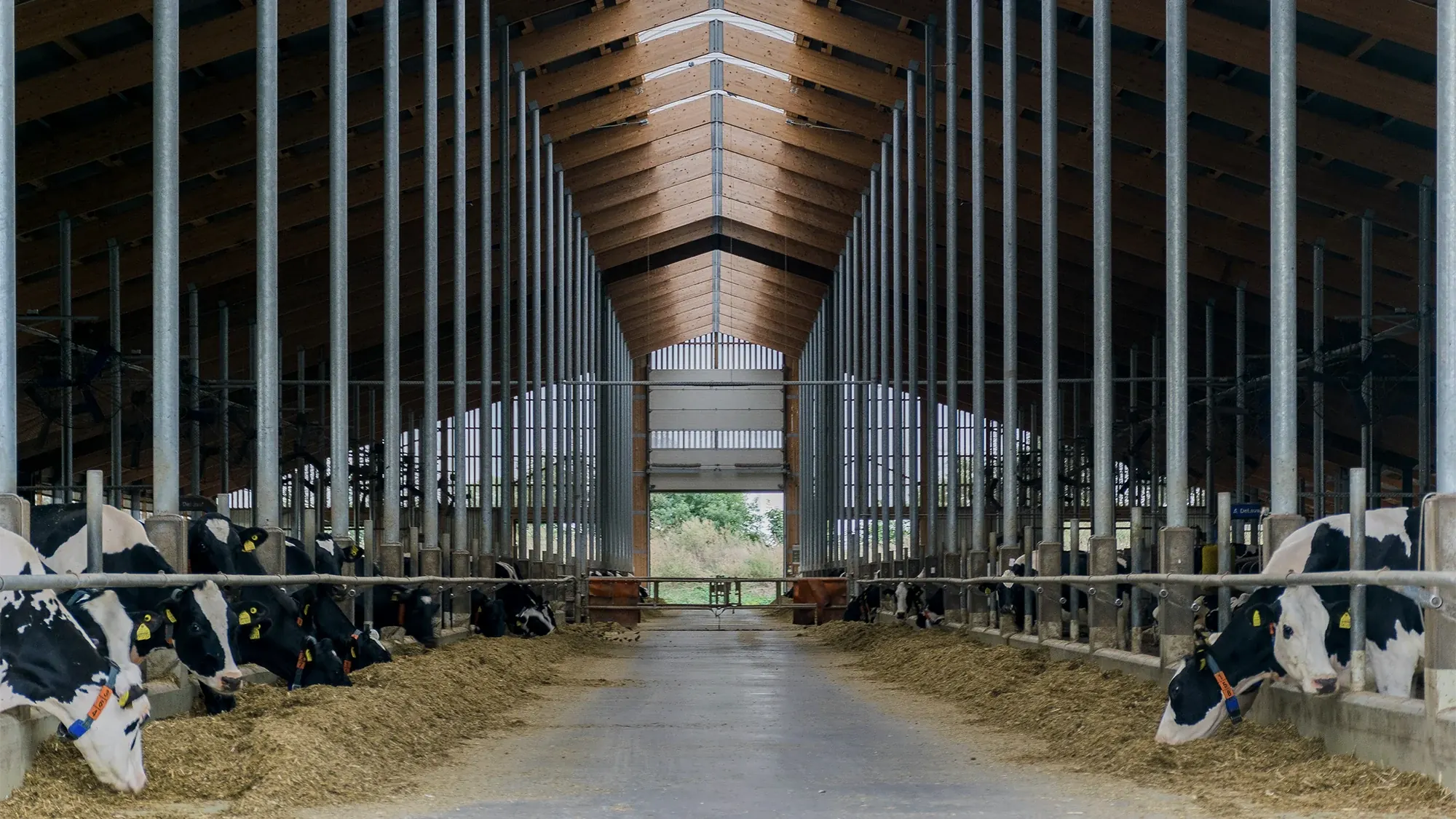
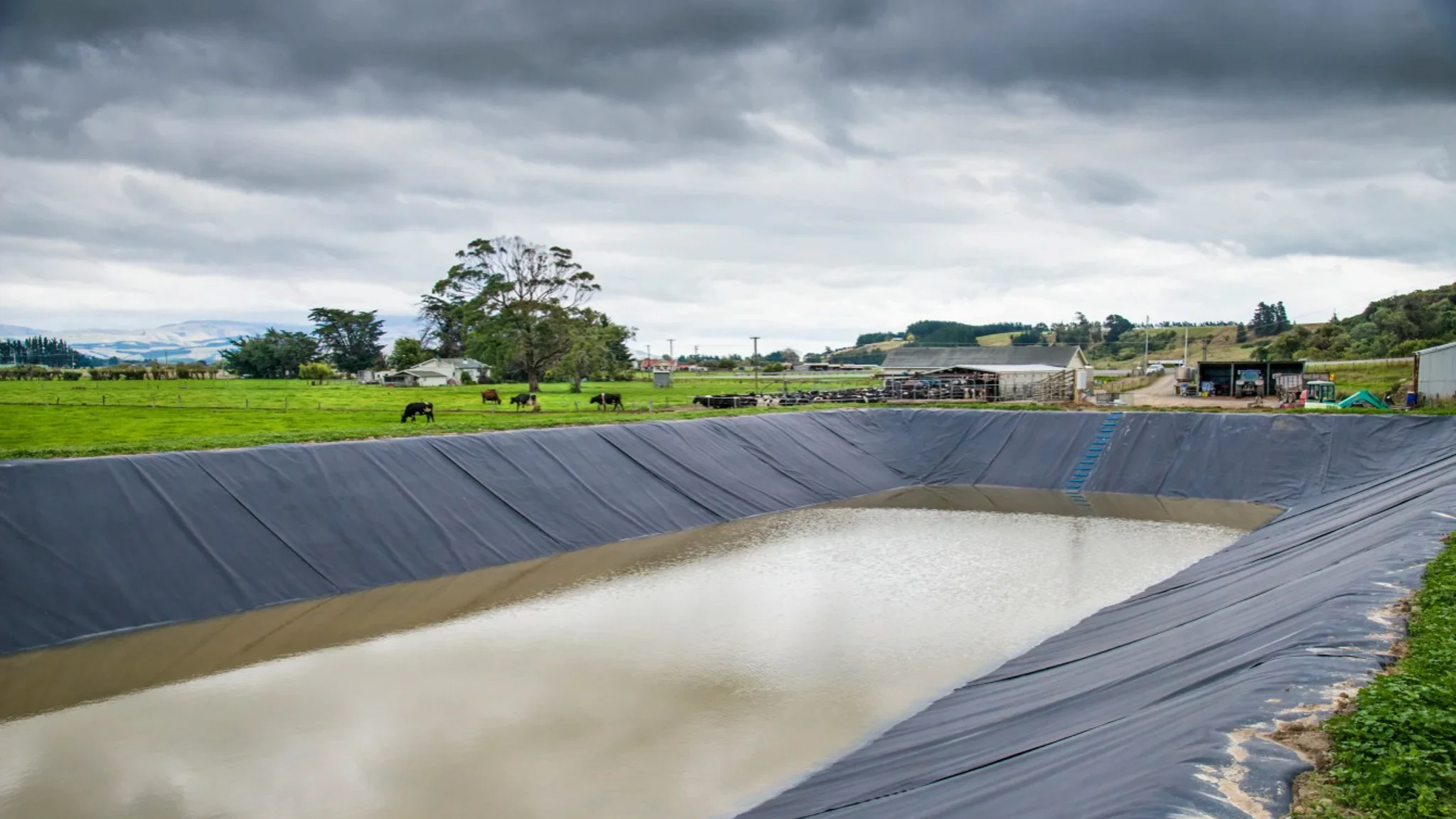
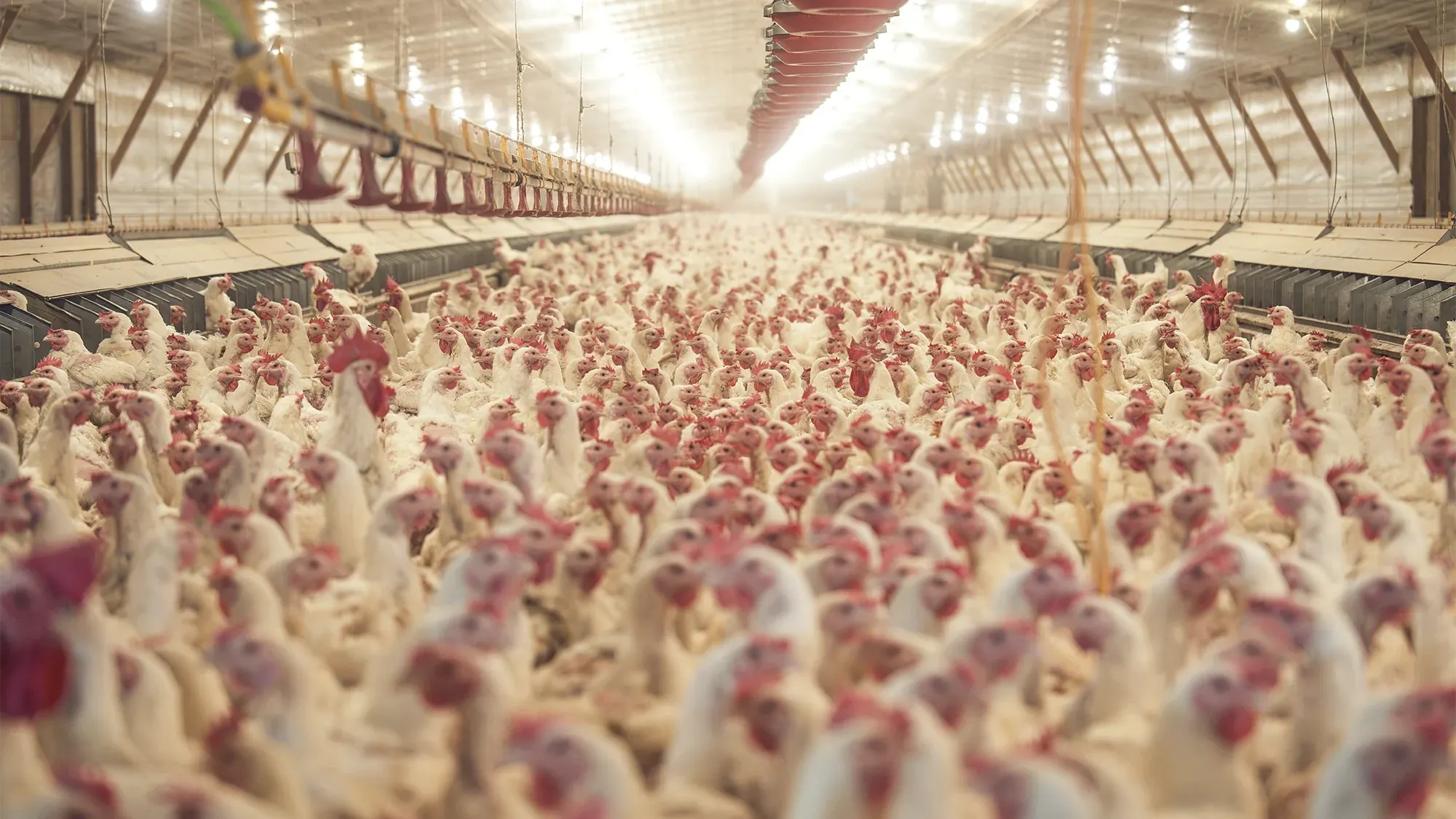
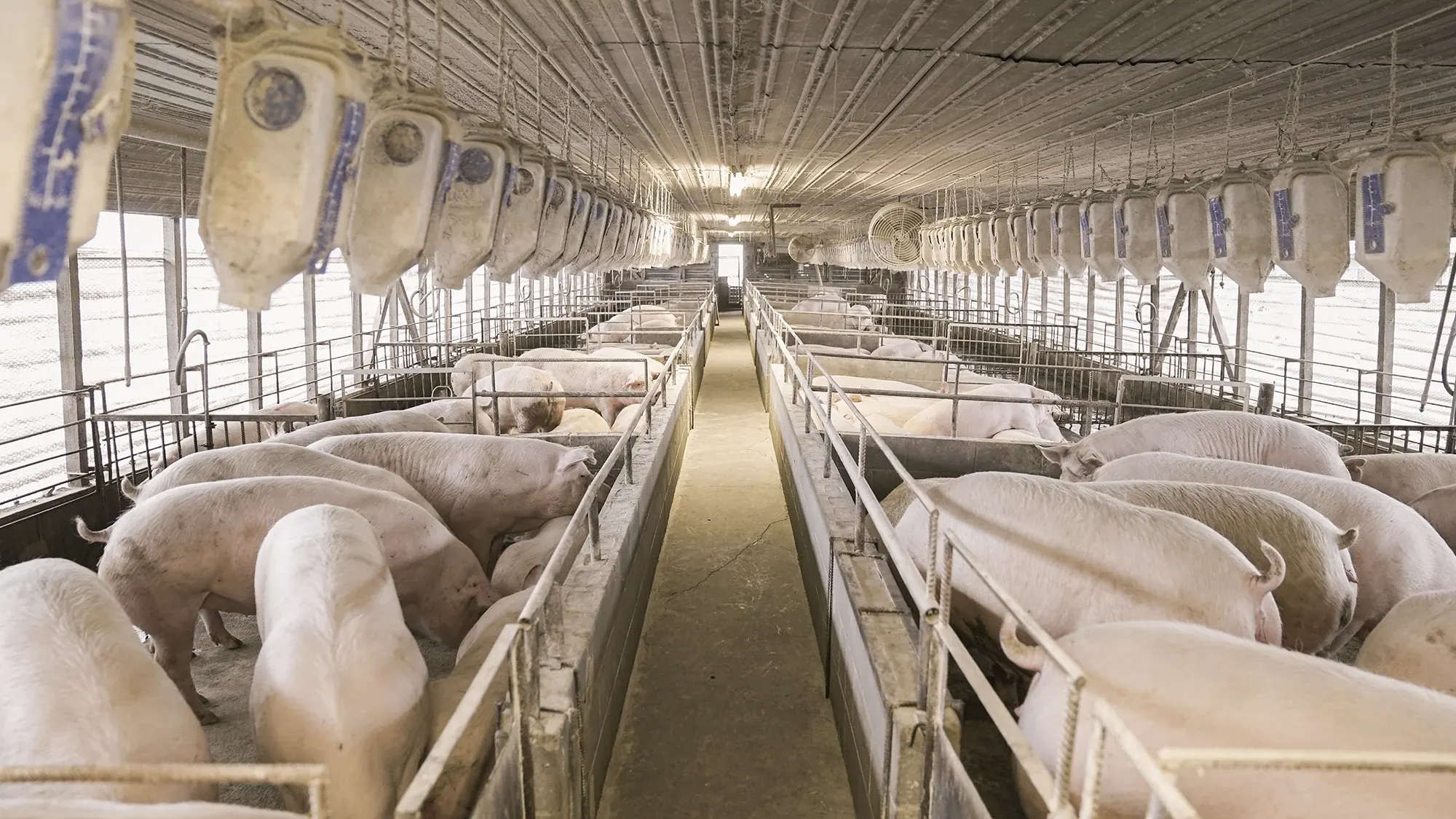
Agricultural operations carry continuous organic waste streams. Farm field operations show the labor and infrastructure scale of agricultural production.

Agricultural Systems

Every farm of meaningful scale carries a waste stream that does not have to stay a liability.

Agricultural operations generate effluents, manure, and processing residues continuously. Modular WtE and WWT infrastructure can be placed at the farm, sized for its stream, and operated by the people who run it. The waste stream becomes the operating input.

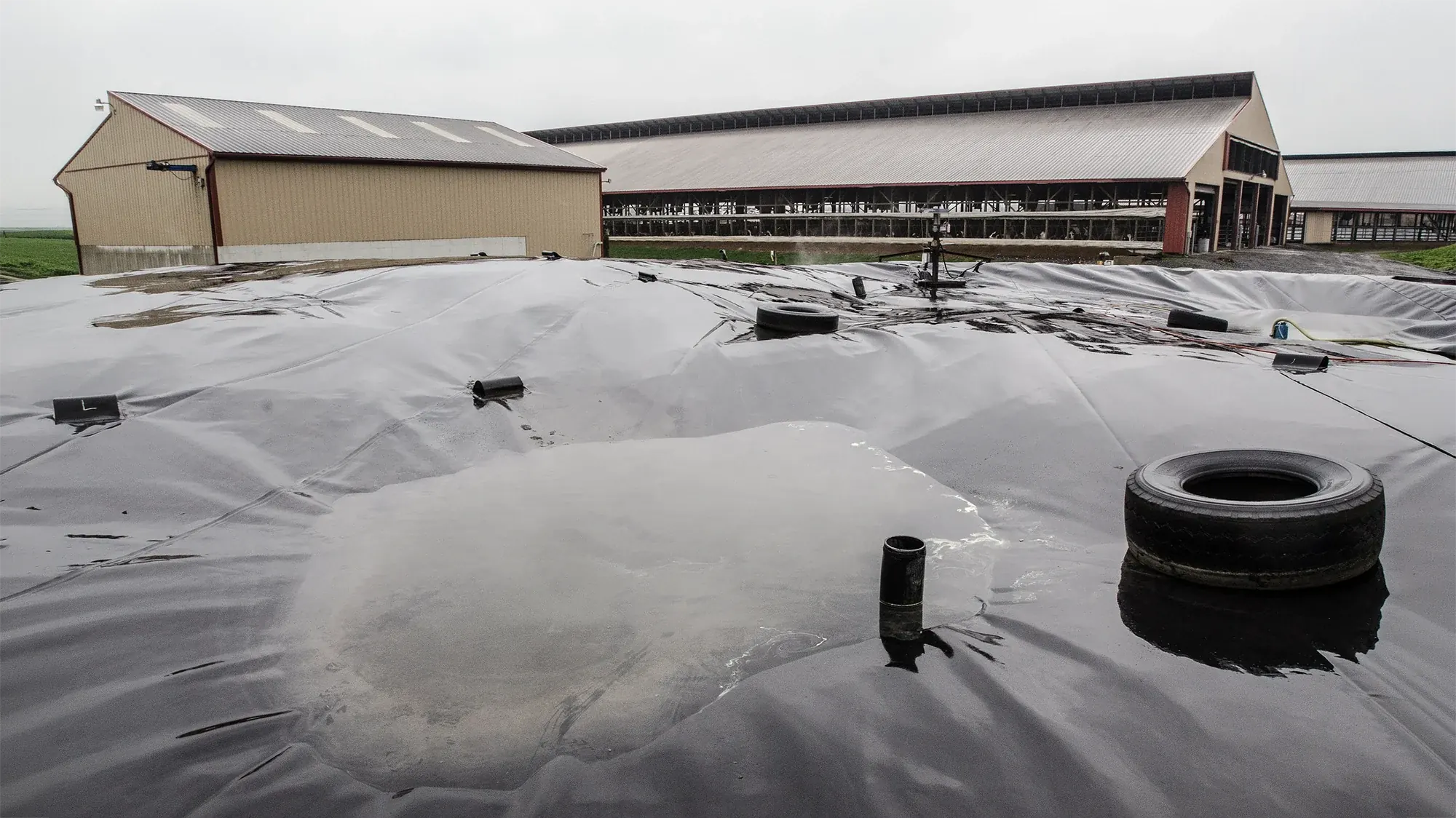
Data center infrastructure showing cooling systems, server arrays, and facility scale

AI infrastructure carries continuous energy and water demands. Data center cooling infrastructure shows the operating scale of computational resource consumption.

AI / Data Infrastructure

AI infrastructure demand is colliding with territorial resource systems.

Large-scale computational infrastructure requires continuous energy and cooling water at volumes that exceed what stressed grid systems and constrained water supplies can reliably provide. Modular on-site generation and water recovery change the dependency structure.

03 / LOCALITY

The longer value is displaced from its point of origin, the harder it becomes to use effectively.

Each context loses value through distance, delay, transport, storage, and separation from use. Local systems retain more value because they lose less time.

Distance
Movement adds cost before treatment begins.
Delay
Time changes the condition of the stream.
Separation
Outputs lose usefulness when they are far from use.
Control
Placed systems keep decisions near the operating condition.

04 / DEPLOYMENT LOGIC

Transportable infrastructure changes what scale can mean.

Modular infrastructure does not need to imitate a civic megaproject. It can be sized for farms, municipalities, regional systems, industrial districts, and other operating environments where water, energy, and treatment pressure are continuous.

Scalable does not mean abstractly bigger. It means placed repeatedly where the operating condition justifies it.

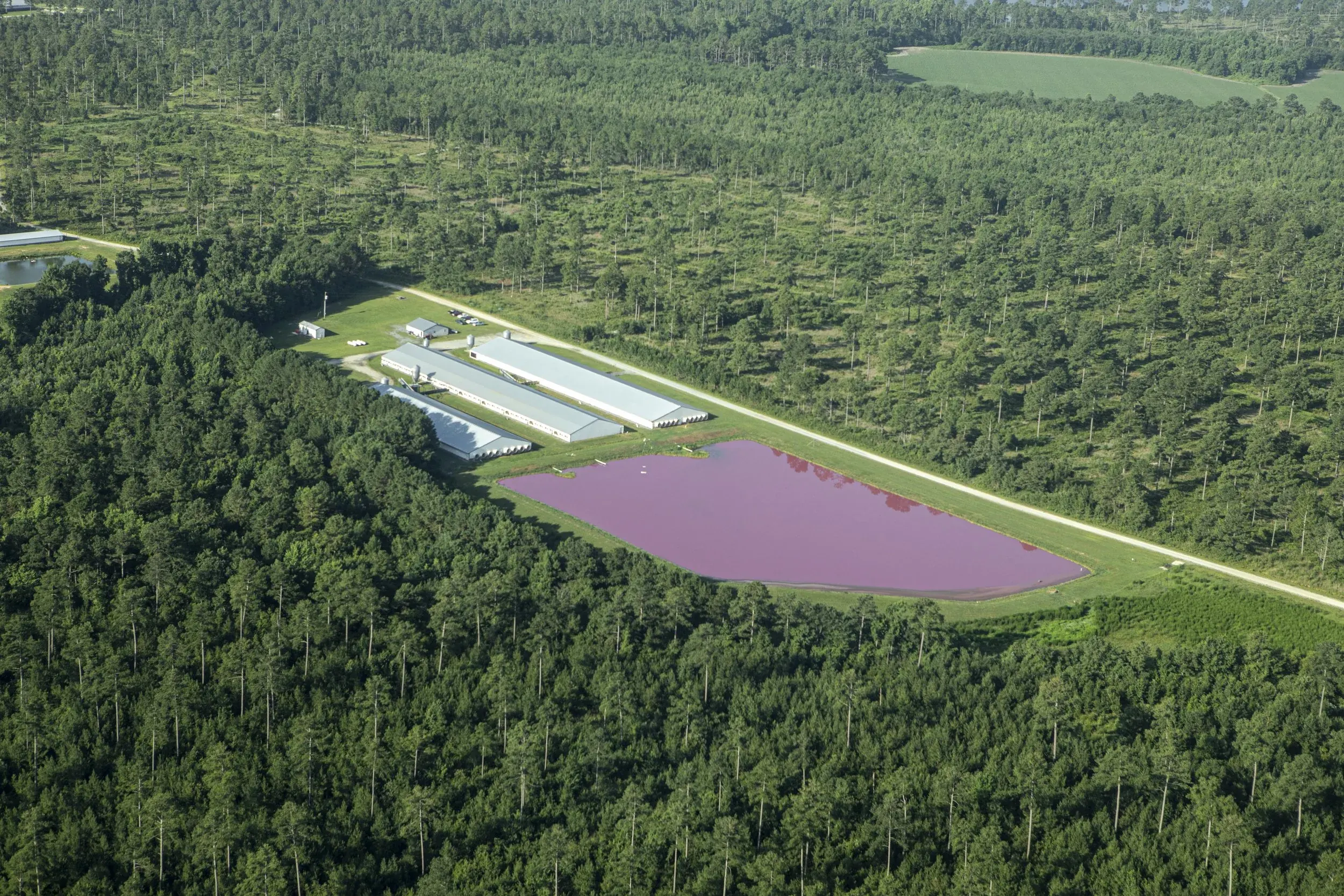
Regional agricultural landscape showing distributed deployment conditions outside major civic infrastructure

Distributed systems belong in the places where streams actually appear. A regional agricultural landscape shows the distance between local operating conditions and centralized infrastructure.

05 / SCALE

The point is not maximum scale. The point is correct placement.

Large Municipal

CopenHill showed what is possible — and what is unrepeatable.

CopenHill showed what is possible when a city has the capital, the political will, the land, and the design ambition to build the best possible centralized system. It is genuinely excellent. It is also genuinely unrepeatable for most of the world.

Centralized civic WtE requires years of permitting, hundreds of millions in capital, dedicated infrastructure corridors, and the political stability to sustain a 25-year operating commitment. When those conditions exist, centralized systems work well. When they do not — which is most places, most of the time — the waste stream keeps moving, keeps costing, and keeps accumulating.

Small Municipal

A town of 30,000 people does not need a CopenHill.

A town of 30,000 people does not need a CopenHill. It needs a system sized for 30,000 people, placed where the waste actually appears, operated by people who live there.

Modular WtE and WWT infrastructure can serve communities at the scale of a small city, a regional municipality, or an industrial district — without requiring the capital stack or the permitting timeline of a civic megaproject. The system arrives at the operating condition instead of forcing every stream toward a distant center.

Farm Power

Every farm of meaningful scale carries a waste stream that does not have to stay a liability.

Every agricultural operation of meaningful scale carries a continuous organic waste stream. That stream is currently a liability. It does not have to be.

Farm Power applies ZERE system logic to agricultural operations — any farm, any region, any organic waste stream with sufficient volume. Effluents. Manure. Processing residues. Agricultural byproducts. The EcoTower is sized and transportable — it goes to the farm, not the other way around. Energy recovered. Water treated. Nutrients returned to land. The operating burden becomes the operating input.

This is not a future application. It is the application the system was designed for.

Local and Distributed

The trajectory is toward smaller, more local, more distributed systems.

The trajectory the historical record shows is toward smaller, more local, more distributed systems. Not because small is ideologically preferable. Because small, correctly placed, keeps more value closer to where it is generated.

A system that treats waste where it appears — rather than moving it, storing it, and treating it somewhere else — retains more of its value, spends less on transport and handling, and returns more to the local operating context. That is not a design preference. It is a material consequence of placement.

The distributed turn is already happening at the industrial level. Onsite treatment systems. Modular biodigesters. Farm-scale gas recovery. Internet-connected distributed WWT. The same logic is moving toward smaller municipalities, agricultural cooperatives, and eventually individual properties.

ZERE is built for that trajectory. Not as a prediction of where it leads. As an operating response to where it already is.

06 / BRIDGE

Applications show where the system operates. Technology shows it operating.

The next question is not whether the logic is sound. The logic has a two-thousand-year record. The next question is what operating evidence, engineering lineage, and field documentation supports the claim that ZERE can deliver it at the scale and in the places that need it most.

Waste is opportunity not used.

Infrastructure redesign for continued growth.

Versión en español próximamente · Spanish version coming soon.